Luxury Vinyl Tile (LVT): How It Compares to Other Flooring Types
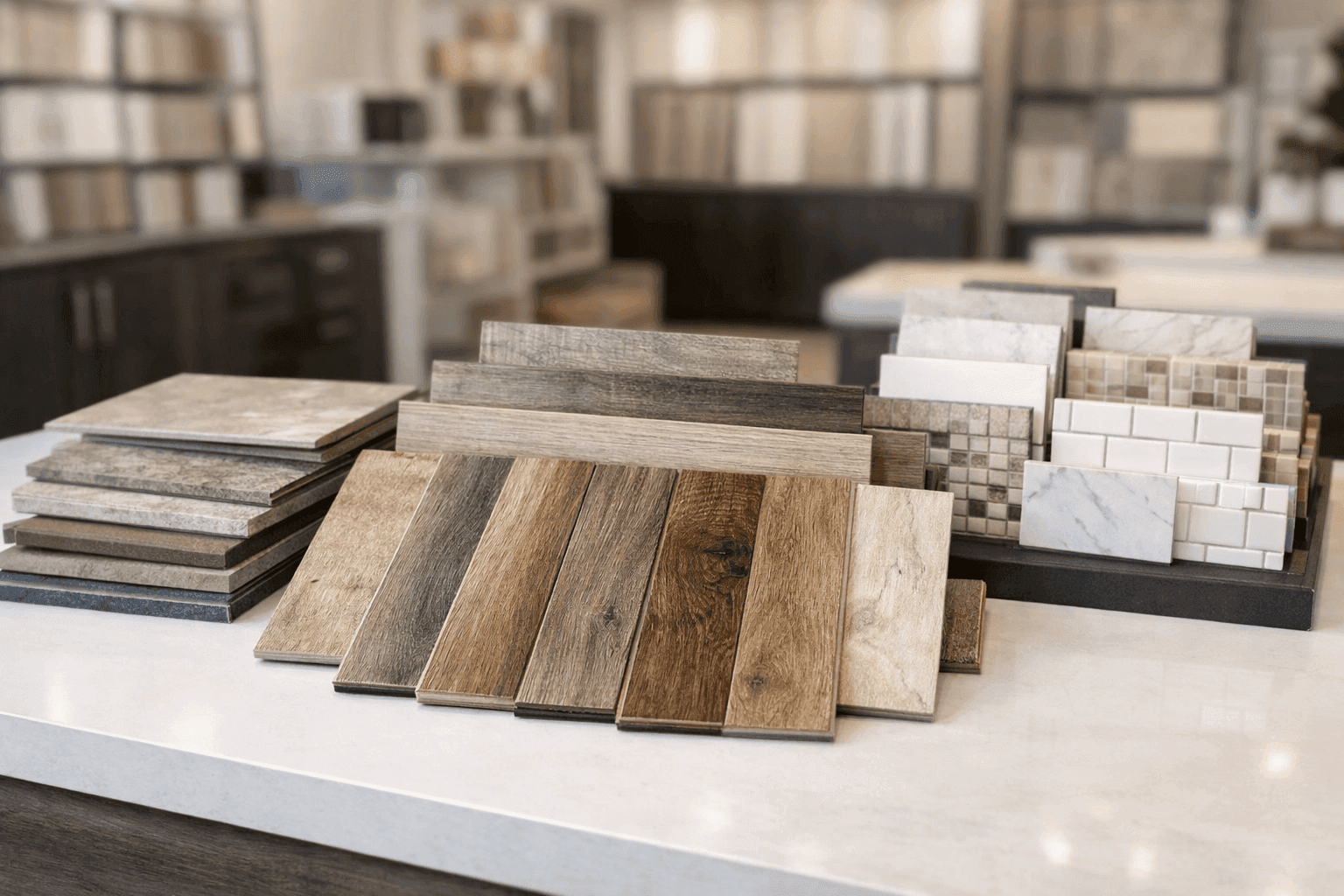
You want beautiful, practical floors. But with so many choices—LVT, LVP, tile, hardwood—which one will hold up best to your daily life? It’s easy to feel overwhelmed. At JC Carpet & Flooring, we help homeowners and business owners cut through the noise. Here’s a clear-eyed, professional look at Luxury Vinyl Tile (LVT) and how it stacks up.
We’ll break down features, durability, style, and installation. You’ll walk away knowing exactly when LVT is right for your space—and when something else might make more sense.
What Is LVT? 🏠
Luxury Vinyl Tile (LVT) looks like stone or ceramic tile but feels softer underfoot. Each piece is made of several layers: a tough wear layer, a high-res print film for realistic looks, and a waterproof core. It’s built to take a beating but still look sharp.
LVT can mimic everything from polished marble to rustic slate. You get those classic visuals—without the cold toes or the nerve-wracking installation. It’s sold as individual tiles (not sheets), so you can mix and match layouts and even replace a damaged spot without redoing the whole room.
LVT vs LVP: Similarities and Differences
You’ve likely heard of Luxury Vinyl Plank (LVP) too. Both are part of the luxury vinyl family. Here’s how they compare:
- Shape & Look: LVT comes in tile shapes (squares, rectangles); LVP comes in planks that look like wood.
- Best Uses: LVT shines in kitchens, bathrooms, and spaces where you want a tile look. LVP is favored for living rooms, bedrooms, or anywhere you want wood vibes.
- Feel: Both are warmer and softer than real tile or hardwood.
- Durability: Both are waterproof, scratch-resistant, and easy to clean.
- Installation: Both install as floating floors or can be glued down.
Curious about LVP’s unique benefits? See our Luxury Vinyl Plank (LVP) service page.
How LVT Stacks Up to Real Tile and Hardwood
Now for the heavy hitters—ceramic tile and hardwood. Let’s see where LVT shines and where old-school still wins.
LVT vs Tile Flooring
- Appearance: Modern LVT can fool the eye. Still, nothing beats the cool, mineral feel of true porcelain or ceramic.
- Comfort: LVT is warmer and has more “give” underfoot. Tile is harder and can feel chilly, especially in winter.
- Water Resistance: Both are waterproof. But LVT is less prone to cracking if your home shifts or settles.
- Grout: LVT requires no grout (unless you want the look). No more scrubbing those lines!
- Cost & Installation: LVT installs quicker and generally costs less. No need for messy mortar or long curing times.
Want to learn more about tile options? Visit our Tile Flooring page.
LVT vs Hardwood
- Appearance: LVT does a solid job imitating wood grain, but up close, real hardwood has unmatched depth and texture.
- Durability: LVT is less likely to scratch or dent. Great for pets or dropped pans. Hardwood can be refinished again and again, though.
- Moisture: Hardwood hates moisture. LVT shrugs it off, making it smart for basements or bathrooms.
- Maintenance: LVT needs just a sweep and mop. Hardwood needs more TLC—occasional sanding, refinishing, and careful cleaning.
- Resale Value: Real hardwood can boost home value more than LVT, but LVT is closing the gap, especially with high-end options.
Features That Make LVT Stand Out
- Waterproof core—won’t swell or buckle.
- Scratch-resistant finish—ideal for busy homes, offices, or rental properties.
- Stain resistance—spills wipe right up.
- Design flexibility—so many patterns, colors, and even groutable edges.
- Sound dampening—quieter than tile or hardwood.
- Easy replacement—swap a tile, not the whole floor.
Where LVT Works Best
Not every floor is right for every room. Here’s where LVT really shines:
- Kitchens: Resists spills, dropped utensils, and heavy foot traffic.
- Bathrooms: Handles steamy showers and splashes with ease.
- Basements: No fear of moisture, and it helps insulate cold floors.
- Laundry rooms: Durable against water, detergents, and appliances.
- Commercial spaces: Looks sharp and stands up to crowds—think offices, salons, or retail.
If you need Residential Flooring near you or a commercial solution, LVT is often the happy medium between budget, beauty, and brawn.
Durability: How Tough Is LVT?
LVT is built for real life. The wear layer protects against scratches and stains. The waterproof core means it doesn’t panic when life gets messy—like a spilled sippy cup or a burst pipe. Most LVT can handle furniture, rolling carts, and the pitter-patter of paws.
For commercial spaces, check for the wear layer’s thickness. Thicker means tougher. Look for ASTM and ISO flooring standards to ensure quality.
Installation: DIY or Pro?
You can install LVT as a floating floor or glue it down. Click-lock systems are popular for DIYers—think snapping puzzle pieces. But getting the subfloor perfectly flat is tricky. Any bumps or dips can show through.
For best results, most people hire a flooring contractor. A pro knows how to prep the subfloor, cut tiles to fit odd corners, and leave expansion gaps so your floor doesn’t buckle. If you’re working on a multi-story building, ask about soundproofing underlayment for a quieter space.
Safety and Indoor Air Quality
Look for LVT that’s FloorScore or GREENGUARD Gold certified. These marks mean low VOCs (volatile organic compounds) for better indoor air quality. That matters for families, pets, and anyone with allergies.
For commercial settings, check ADA slip resistance guidelines and local fire codes before finalizing your choice.
Maintenance & Cleaning Tips for LVT
- Sweep or vacuum regularly to prevent grit from scratching the surface.
- Use a damp mop with mild cleaner—no wax or harsh chemicals needed.
- Place mats at entryways to cut down on tracked-in dirt.
- Use felt pads under furniture legs to prevent scuffs.
LVT doesn’t need sealing, sanding, or refinishing. That’s a big relief for busy homes and high-traffic businesses.
Common Mistakes to Avoid
- Skipping subfloor prep: LVT needs a smooth, clean base. Don’t rush this step.
- Wrong cleaner: Avoid oil soaps and waxes—they can dull the finish.
- No expansion gap: Always leave room around the edges for the floor to move.
- Dragging heavy furniture: Pick up, don’t push, to avoid scratches.
Costs & Time Factors
LVT is budget-friendly compared to real tile or hardwood. Material costs vary by thickness, design, and brand. Installation is often faster, too—no waiting for grout or finish to cure. For commercial projects, time savings can mean less business disruption.
When LVT Isn’t the Best Choice
LVT is tough, but it’s not invincible. It can fade in direct sunlight. It won’t boost home resale value quite like oak or maple. And if you love the authentic feel of stone or wood, LVT may fall a bit short.
For outdoor spaces, stick with products designed for the elements. For radiant heating, confirm that your LVT model is compatible.
FAQs About LVT
Can LVT go over old floors?
Usually, yes—if they’re flat and clean. Remove carpet, loose tiles, or anything that could move.
Is LVT pet-friendly?
Absolutely. It resists scratches and accidents better than many other floors.
Can LVT be repaired?
Individual tiles can be replaced if damaged. Much easier than patching hardwood or tile.
How long does LVT last?
With proper care, 10–20 years or more. Commercial spaces may need more frequent replacement.
Timeline & Disruption: What to Expect
Replacing your floors always means a little chaos. But LVT is quicker and less messy than many alternatives. Most residential projects take a day or two. Furniture needs to be moved, and foot traffic kept off the new floor for a short time.
LVT for Commercial Spaces
LVT isn’t just for homes. It’s right at home in retail, office, and hospitality settings. It handles rolling chairs, heavy foot traffic, and frequent cleaning. For businesses, the mix of style, durability, and easy maintenance is hard to beat.
Check out how our flooring company serves both homes and businesses with LVT and other solutions.
Signs Your Space Is Ready for LVT
- You want great-looking floors—fast.
- You need water resistance.
- Comfort and warmth matter.
- Budget is a concern, but you don’t want to sacrifice style.
- Easy upkeep is a must.
Final Thoughts: Is LVT Right for You?
Luxury Vinyl Tile is the “Swiss Army knife” of flooring. It’s adaptable, tough, and looks fantastic in so many spaces. If you need flooring that stands up to everyday life—without the sticker shock of tile or hardwood—LVT is worth a close look.
Still unsure? JC Carpet & Flooring can help you weigh your options, see samples, and plan the perfect install.
Call JC Carpet & Flooring now — or reach us anytime at 855-557-1115 .