Outdoor Flooring Ideas: Patios, Walkways, and More
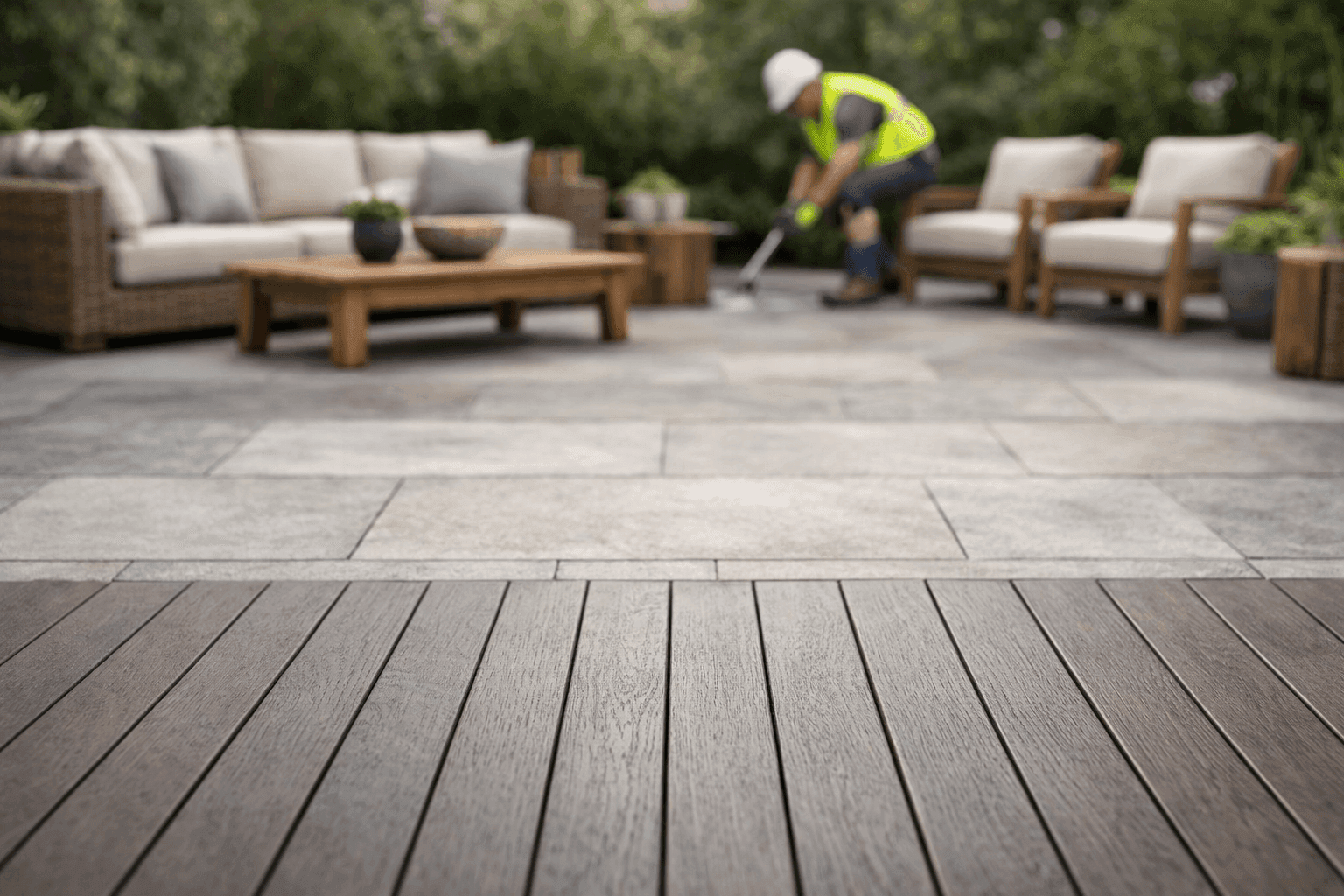
Is your patio looking tired? Maybe your front walkway is showing its age, cracked and dull after another harsh season. Outdoor spaces take a beating—weather, foot traffic, and time don’t cut them any slack. But with the right flooring, you can turn these areas into inviting retreats that last for years. At JC Carpet & Flooring, we know what it takes to create surfaces that stand up to the elements and look good doing it.
Ready to transform your outdoors? Here’s how to choose the best materials, maintain them, and sidestep the most common pitfalls.
Outdoor Flooring Materials
Choosing the right material is like picking the right shoes for a hike—function comes first, but style matters too. Outdoor flooring needs to handle rain, sun, and everything in between.
- Tile: Porcelain and ceramic tiles work beautifully outdoors, especially those rated for frost and slip resistance. Think of them as the chameleons of flooring—endless colors and patterns, but tough as nails.
- Stone: Natural stone (like slate, travertine, or flagstone) brings timeless character. Each piece is unique, but remember: some stones get slippery when wet.
- Composite Decking: Made from recycled plastics and wood fibers, composite boards resist warping, splintering, and fading. They’re the “set it and forget it” option for busy households.
- Concrete: Poured concrete or concrete pavers are durable, budget-friendly, and customizable. Stamped or stained finishes can mimic pricier materials.
- Outdoor Vinyl & LVP: For covered patios, luxury vinyl plank (LVP) offers water-resistant performance and a cozy, indoor feel.
- Rubber Tiles: For play areas or fitness zones, rubber tiles cushion falls and resist moisture.
Curious about all-season deck solutions? See our Deck Flooring page for more inspiration.
Design and Durability
Outdoor flooring has to do more than just look good. It needs to shrug off mud, survive a summer storm, and not burn your feet in the July sun. Here’s what to keep in mind:
- Texture & Slip Resistance: Surfaces should offer grip even when wet. Look for “slip-resistant” ratings and textured finishes. The Consumer Product Safety Commission recommends testing surfaces for traction.
- Color Choices: Lighter colors stay cooler but may show dirt. Patterns can hide stains and wear.
- Edging and Transitions: Smooth transitions between materials (like grass to tile) help prevent trips. Rounded or beveled edges add a finished touch.
- UV Stability: Sun can fade some materials. Opt for UV-stabilized products if your space gets lots of sun.
Safety is always a priority. If your patio gets icy, consider textured stone or rubber for extra peace of mind. 🌞
Maintenance Tips
Every material has its own care routine. Ignore it, and even the best floor can go downhill fast.
- Sweep regularly. Leaves and grit can scratch surfaces and invite mold.
- Wash with mild soap. Power washing is okay for concrete, but be gentle with tile or composite.
- Reseal stone and concrete. Sealing every 1-2 years protects against stains and weather.
- Grout cleaning and sealing: Outdoor tile needs periodic grout attention. See our Flooring Consultation for maintenance plans.
- Check for standing water. Puddles can lead to slips and shorten your floor’s lifespan.
A little care goes a long way—think of it like tending a garden. Small efforts, big payoff.
Cost and Installation
Budget shapes every project, but remember: the cheapest option up front isn’t always the most affordable over time.
- Material Costs: Concrete and basic tiles are usually less expensive than natural stone or high-end composites.
- Labor: Complex patterns, heavy stones, or slope corrections add to labor costs.
- Site Prep: Leveling, grading, and drainage can be make-or-break factors. Skimping on prep is like building a house on sand.
- Timeline: Most patios take a few days to a week, depending on size and material. Walkways and small porches often wrap up faster.
Always check local building codes for slope, drainage, and safety rules. The International Residential Code (IRC) provides guidelines for outdoor surfaces, including handrails and step heights.
Quick Safety Checklist
Outdoor floors should keep fun in and accidents out. Before you host the next barbecue, run through this:
- Are all surfaces slip-resistant, especially near pools or water features?
- Do steps and edges have clear, visible transitions?
- Is there enough drainage to prevent puddling?
- Are railings and handrails secure, if needed?
- Are pavers or tiles even—no trip hazards?
You don’t want a surprise trip to the ER ruining your next gathering.
Outdoor Flooring for Patios
Patios are more than just a slab of concrete—they’re the stage for summer nights and quiet mornings. Popular patio choices include:
- Stamped Concrete: Mimics stone or wood at a lower cost.
- Porcelain Tile: Sleek, modern, and easy to keep clean.
- Natural Stone: Rustic charm, but requires sealing.
- Composite Decking: Low-maintenance alternative to wood.
Each option brings its own mood, whether you’re aiming for Mediterranean courtyard or modern retreat.
Walkways That Wow
A walkway is a handshake for your home—first impressions count. Good options include:
- Flagstone: Dramatic, organic pathways that blend into landscaping.
- Concrete Pavers: Grid layouts or winding patterns, with endless design flexibility.
- Gravel with Stepping Stones: Casual, budget-friendly, and easy to update.
Well-lit walkways boost curb appeal and safety, especially at night.
Porch Perfection
Porches bridge the gap between indoors and outdoors. They’re the welcome mat to your world. For covered porches, consider:
- Outdoor-rated LVP: Cushiony underfoot and easy to clean.
- Painted Concrete: Fresh color without a big investment.
- Tile or Brick: Classic looks that age gracefully.
Aim for materials that feel inviting—bare feet and morning coffee approved.
Seasonal Considerations
Your climate shapes your choices. In freeze-thaw regions, opt for frost-resistant tile or concrete. In hot, sunny spots, avoid dark colors that can burn bare feet. For rainy climates, prioritize drainage and slip resistance.
If winter brings snow, avoid highly textured surfaces that are hard to shovel. In dry areas, pick materials that don’t crack or warp under blazing sun.
Common Mistakes to Avoid
Outdoor flooring projects can go sideways fast if you’re not careful. Here are the traps we see most:
- Skipping Drainage: Water pooling is the enemy. Make sure every surface slopes away from your home.
- Ignoring Expansion Joints: Concrete and tile need room to flex with temperature swings.
- Choosing Indoor Materials: Not all tiles or planks are built for the outdoors.
- DIY Overreach: Some jobs—especially large patios or heavy stonework—really do need a pro’s touch.
A solid plan saves time, money, and headaches.
DIY vs. Pro Installation
Some projects are weekend-friendly. Laying gravel or interlocking tiles, for example, is within reach for many homeowners. But when it comes to concrete pours, complex patterns, or major grading, hiring a professional ensures results that last.
Pros handle the details—site prep, code compliance, and those little surprises that always pop up. If you’re not sure, a quick Flooring Consultation can help you weigh your options.
What Happens When We Arrive
When you work with JC Carpet & Flooring, here’s what you can expect:
- Site Inspection: We check slopes, drainage, and existing surfaces.
- Material Guidance: Recommendations tailored to your space and style.
- Prep Work: Clearing, leveling, and safety checks.
- Installation: Precise, by-the-book work for lasting results.
- Cleanup: We leave your space better than we found it.
We know every project is unique—no cookie-cutter solutions here.
Signs Your Outdoor Flooring Needs Attention
Not sure if it’s time to upgrade or repair? Watch for these warning signs:
- Cracks spreading or widening
- Tiles loosening or grout failing
- Boards warping or splintering
- Persistent puddles or moss growth
- Fading, stains, or surface wear
If your floor’s crying for help, don’t wait. Early fixes cost less than full replacements.
Floor Leveling & Subfloor Matters
A solid surface starts with a solid base. Uneven ground leads to cracked tiles, wobbly pavers, and water problems. Proper subfloor prep—grading, compacting, and moisture barriers—is as important as the finish you see.
For complex yards, our team uses laser leveling and proven methods to ensure your new floor stays put.
Soundproofing & Comfort
Outdoor spaces aren’t just about looks—they’re about feel. Rubber tiles or cushioned composites quiet footsteps and play, making patios and decks more relaxing. For city dwellers, sound-dampening underlays can make a world of difference.
Floor Coatings & Protective Finishes
A quality floor coating protects against stains, UV damage, and moisture. Options include:
- Epoxy Coatings: Great for covered patios and garages.
- Sealants: For stone, tile, and concrete—essential in wet or icy climates.
- Anti-slip Treatments: Clear coatings boost traction without changing your floor’s look.
Ask about coating options that fit your style and the demands of your climate.
Outdoor Flooring FAQs
Q: Can I use indoor tile outside? A: Only if it’s rated for outdoor use—otherwise, it may crack or become slippery.
Q: How long does outdoor flooring last? A: With proper care, most surfaces last 10–30 years, depending on material and exposure.
Q: Do I need a permit for a new patio? A: Sometimes. Always check with your local building department.
Q: How do I keep my patio cool in summer? A: Choose light colors and materials that don’t absorb heat, like travertine or UV-protected composites.
Inspiration: Outdoor Flooring That Lasts
Picture a backyard where the flooring invites you to kick off your shoes, or a front walkway that feels like a red carpet. With the right choices, your outdoor spaces can be as welcoming and durable as your living room.
If you’re looking for trusted Outdoor Flooring solutions, JC Carpet & Flooring brings years of experience and a passion for beautiful, lasting floors.
Call JC Carpet & Flooring now — or reach us anytime at 855-557-1115 .