How to Prepare for a Professional Floor Inspection
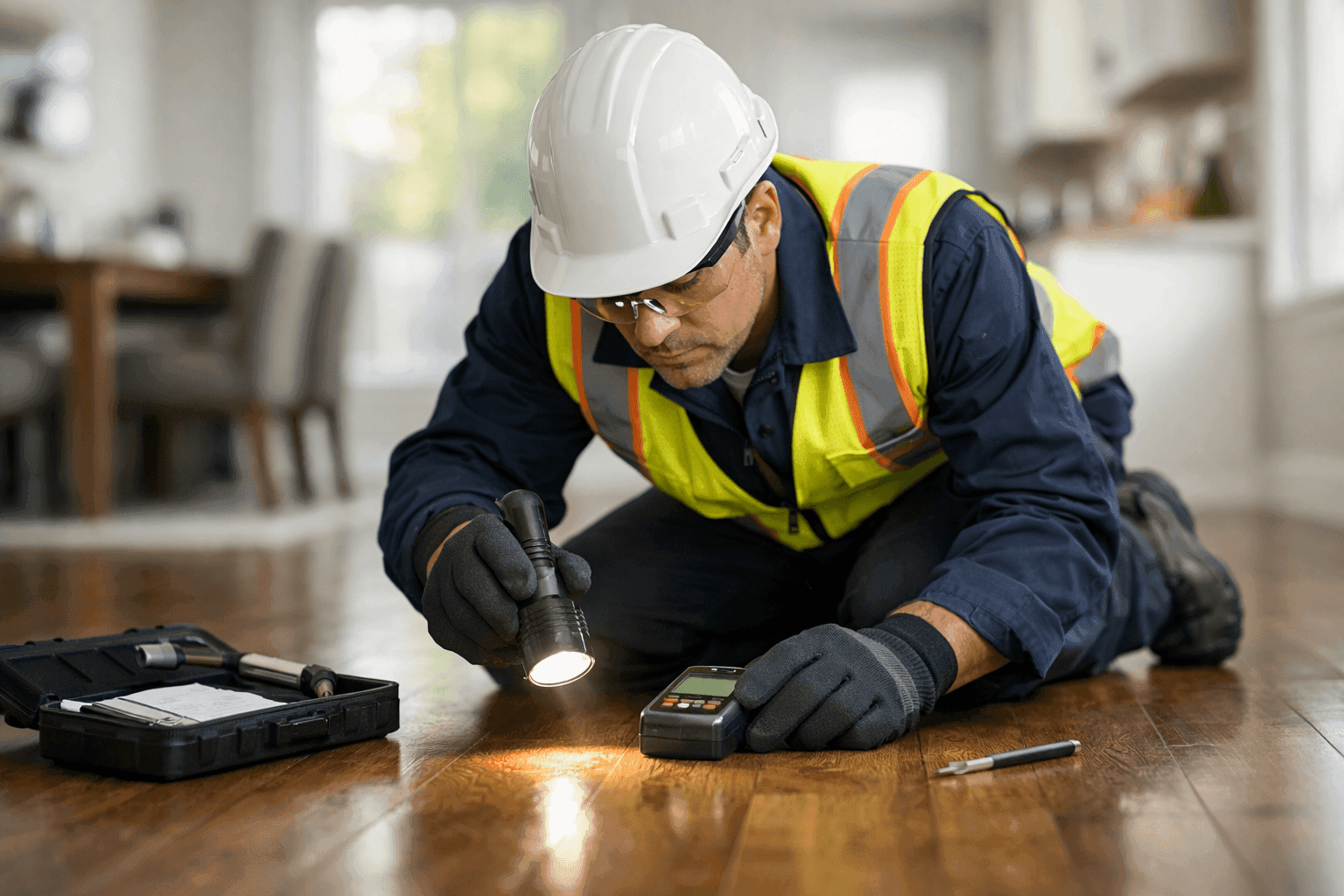
Are you staring at scuffs, squeaks, or mysterious stains on your floors? Wondering if your home or business is hiding bigger flooring issues beneath the surface? You’re not alone. Many property owners face the same questions—and that’s exactly why a professional floor inspection can be a game-changer.
At JC Carpet & Flooring, we help families and businesses uncover hidden problems before they become headaches. With a clear process and honest feedback, our team brings peace of mind and practical solutions.
What Is a Floor Inspection?
A floor inspection is like an annual health check for your floors. An experienced inspector examines every layer: surface, subfloor, and even the air above. The goal? To find issues early, keep your floors safe, and help you plan for repairs or upgrades without surprises.
Whether you have hardwood, tile, LVP, or something more unique, a thorough inspection covers it all. Residential Flooring near you or large commercial spaces—every building deserves a strong foundation.
What Inspectors Look For 👀
Inspections aren’t just about the obvious. Professionals look for:
- Surface damage: Scratches, dents, bubbling, and stains.
- Structural issues: Loose boards, shifting tiles, or sagging subfloors.
- Moisture problems: Signs of leaks, warping, or mold.
- Installation quality: Gaps, misaligned planks, and uneven transitions.
- Wear and tear: High-traffic areas, faded finishes, and thinning carpets.
- Safety concerns: Slippery spots, tripping hazards, or exposed nails.
For commercial properties, inspectors also check code compliance and ADA accessibility. Following guidelines from the National Wood Flooring Association (NWFA) or the Tile Council of North America (TCNA) ensures your investment is protected.
Why Inspections Matter—And When to Schedule One
Think of your floor as the stage for daily life. Small cracks can lead to big problems if ignored. Schedule an inspection when:
- You notice changes in your floor’s appearance or feel.
- After flooding, leaks, or humidity spikes.
- Before buying or selling a property.
- If you’re planning renovations or switching flooring types.
- When you spot persistent odors or squeaks.
Not sure if you need one? Even the pros at JC Carpet & Flooring recommend regular checkups every few years, especially for older homes or high-traffic businesses.
How to Prepare Your Floors
Preparation helps inspectors do their job quickly and accurately. Here’s your simple checklist:
- Clear the area: Move furniture, rugs, and personal items off the floor.
- Vacuum and sweep: Remove dust, pet hair, and crumbs.
- Dry wet spots: Wipe up spills or condensation.
- Point out concerns: Make a list of problem areas, noises, or smells you’ve noticed.
- Secure pets: Keep animals in another room for everyone’s safety.
A little prep goes a long way. It’s like setting the table before a meal—you get better results when everything’s in place.
What Happens During the Inspection?
When the inspector arrives, they’ll introduce themselves and explain the process. Expect:
- Visual walkthrough: Every room is checked, plus hallways, stairs, and entryways.
- Hands-on testing: The inspector may press, tap, or use tools to check for softness or movement.
- Moisture readings: Special meters reveal hidden leaks or damp spots.
- Level checks: Floors are tested for evenness.
- Photographs: Detailed notes and images help document the findings.
You’ll have a chance to ask questions and point out your concerns. The inspector’s job is to see what you might miss.
Common Issues Uncovered
Inspections often reveal:
- Early signs of water damage or mold.
- Subfloor separation or sagging.
- Failing grout or tile movement.
- Carpet buckling or seam separation.
- Worn finishes or unsafe transitions.
Catching these early can save you money and stress. For more on keeping floors healthy, see our Flooring Maintenance guide.
DIY vs. Call a Pro
Some floor problems look simple but hide deeper trouble. While you can spot surface scratches or loose boards, specialized tools and training are needed for:
- Hidden moisture or mold.
- Subfloor instability.
- Installation errors.
A professional eye can mean the difference between a quick fix and a costly repair down the road. Don’t gamble with your investment—call in the experts when in doubt.
Safety First: Quick Prep Checklist 📝
Before your appointment, make sure to:
- Clear walkways of cords, toys, or obstacles.
- Inform the inspector of recent spills or cleaning products used.
- Secure valuables and breakables near the floor.
- Ensure good lighting throughout the inspection areas.
Following this list keeps the process smooth and avoids delays.
Timeline and What to Expect
Most inspections take one to two hours, depending on the size and complexity of the space. For larger commercial properties, set aside extra time.
There’s minimal disruption—no loud tools or strong odors. You can usually return furniture the same day unless repairs are needed.
What Happens After the Inspection?
You’ll receive a detailed report. This may include:
- Photos and descriptions of issues found.
- Recommendations for repairs, maintenance, or upgrades.
- An honest assessment of your flooring’s lifespan.
If immediate action is needed, the report will highlight what’s urgent versus what can wait. You’ll also have a chance to discuss flooring solutions and plan next steps, like Flooring Consultation.
Actionable Maintenance Tips
Based on your inspection report, consider:
- Scheduling regular deep cleaning or grout sealing.
- Addressing moisture sources, like plumbing leaks or poor ventilation.
- Installing moisture barriers in basements or garages.
- Refinishing hardwood or resealing tile grout.
- Upgrading to durable, eco-friendly materials for busy spaces.
For seasonal care, the National Wood Flooring Association recommends maintaining indoor humidity between 30–50% to prevent warping and gaps.
When It’s an Emergency
Some findings can’t wait. Call for immediate help if you notice:
- Large, soft spots or sudden dips in the floor.
- Active leaks, standing water, or severe mold.
- Tripping hazards in high-traffic or commercial areas.
Prompt repairs keep your property safe and prevent further damage.
Common Mistakes to Avoid
- Skipping prep—furniture and clutter can hide issues.
- Ignoring small signs—squeaks and soft spots signal bigger problems.
- Using harsh cleaners before inspection—these can mask damage.
- Waiting too long between inspections.
A little attention now can save major headaches later.
FAQ: Your Inspection Questions Answered
Q: How often should I schedule a floor inspection?
A: For most homes, every 2–3 years is ideal. High-traffic businesses may need annual checks.
Q: Will the inspection damage my floors?
A: No. All tests are non-destructive, using gentle tools and techniques.
Q: What if repairs are needed right away?
A: Your inspector will explain the urgency and help you prioritize next steps.
Q: Can you inspect all flooring types?
A: Yes—our team handles everything from hardwood to epoxy, cork, tile, and more.
For more information, explore our flooring services to see how we can help with any flooring challenge.
Prevention: The Key to Healthy Floors
Routine care, prompt repairs, and regular inspections keep your floors beautiful and safe. Don’t wait for obvious signs of trouble—be proactive, just like you’d schedule a dental checkup or car service.
Final Thoughts: Your Floors, Our Priority
A professional floor inspection is the first step to a healthier, longer-lasting space. Whether you’re protecting your home or your business, JC Carpet & Flooring is here to guide you with honest answers and practical solutions.
Call JC Carpet & Flooring now — or reach us anytime at 855-557-1115 .