Safety First: Flooring Choices for Slip and Fall Prevention
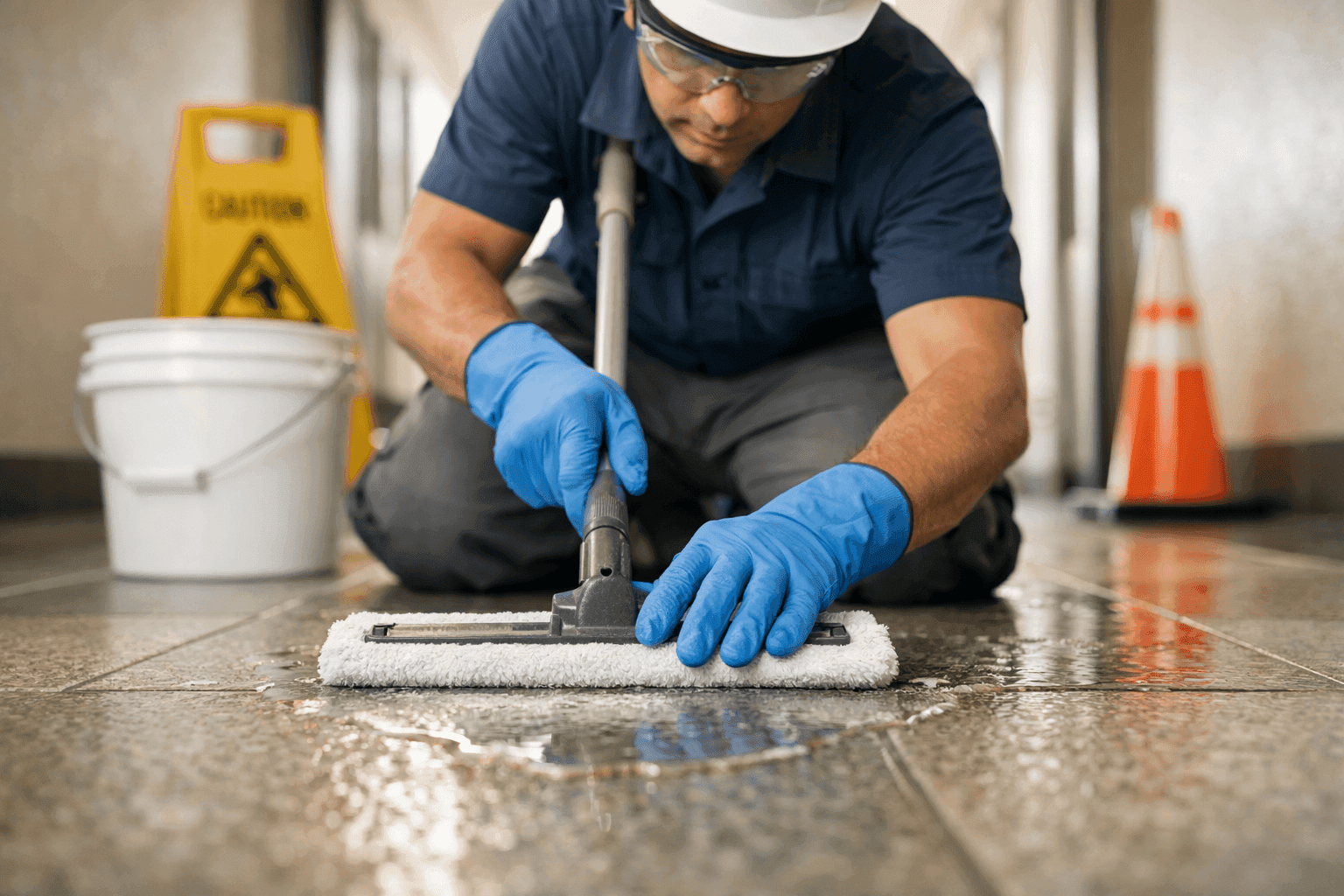
Slips and falls can happen in a split second. One moment, you’re carrying groceries or leading a group through a busy hallway. The next, someone’s on the ground—possibly hurt. At JC Carpet & Flooring, we know it’s not just about looks or style. It’s about keeping every step safe for everyone.
Whether you’re a homeowner, a property manager, or a business owner, safety isn’t just a checklist—it’s peace of mind. Let’s break down how to choose flooring that stands firm against slips and falls, and how to keep it that way.
Understanding Slip Risks: Where Accidents Lurk
Not all floors are created equal. Some are as slick as an ice rink after a rainstorm. Others grab hold, even when wet. So, why do slips happen?
- Moisture: Water, spills, or tracked-in snow can make smooth surfaces treacherous.
- Smoothness: Highly polished stone, untreated tiles, or old waxed floors have little grip.
- Worn Surfaces: Years of foot traffic can wear down textures and anti-slip coatings.
- Footwear: Socks, heels, and even certain rubber soles can slide unexpectedly.
The National Floor Safety Institute reports that over 8 million emergency room visits each year are due to falls. Most are preventable with the right flooring and care.
Best Flooring Materials for Slip Resistance 🦶
Your choice of material can make all the difference. Let’s step through the options:
1. Textured Tile
Tiles with a textured or matte finish grip shoes and bare feet. Look for those rated for “wet” or “exterior” use. Porcelain and ceramic tiles come in slip-resistant finishes—ideal for kitchens, bathrooms, and entryways.
2. Luxury Vinyl Plank (LVP) and Tile (LVT)
Modern LVP and LVT mimic wood or stone but include surface embossing for traction. They’re waterproof, resilient, and softer underfoot than tile. Great for living spaces, commercial kitchens, and high-traffic corridors.
3. Carpet
Carpet is like a soft landing pad. It absorbs impact and provides natural grip, making it a wise choice for bedrooms, stairs, and spaces for children or seniors. Low-pile options are easier for wheelchairs and walkers.
4. Floor Coatings and Epoxy
Epoxy and specialty floor coatings can add a gritty, sand-like texture to concrete, garage, or basement floors. These coatings are customizable for commercial kitchens, locker rooms, and garages.
5. Cork and Bamboo
Eco-friendly and forgiving, cork and bamboo both offer a bit of “give” underfoot. Cork, in particular, provides excellent traction and is naturally antimicrobial.
Anti-Slip Treatments: Boosting Safety on Existing Floors
Already have smooth tile or wood? Don’t worry. You can improve safety with treatments:
- Anti-slip sprays: Quick to apply, these add microscopic grit to slick tiles.
- Textured coatings: Epoxy or urethane coatings with embedded grit can be rolled on.
- Grip mats and runners: For instant improvement, place rubber-backed mats where water is likely.
- Professional etching: Specialized products roughen glossy tile surfaces without changing their appearance.
Proper treatment can help older floors meet safety standards, like those from the Americans with Disabilities Act (ADA).
Flooring Safety for Vulnerable Users: Kids, Seniors, and Public Spaces
Certain groups need extra care. Children run. Seniors may shuffle or use walkers. Public lobbies see all kinds of foot traffic.
- For families: Choose low-pile carpet or textured LVP in playrooms and hallways.
- For seniors: Avoid thick rugs that can bunch or wrinkle. Opt for smooth transitions between materials.
- For businesses/public spaces: Install flooring with a high slip-resistance rating and keep it well maintained.
Don’t forget thresholds and stairways—these are hotspots for accidents. Use nosings with contrasting colors or textures for better visibility and grip.
Quick Safety Checklist: Is Your Floor a Hazard?
Walk your space and ask:
- Is the floor slippery when wet?
- Are there uneven transitions between rooms?
- Do you have rugs or mats that shift or curl?
- Is lighting bright enough to see floor changes?
- Are warning signs posted in wet areas?
Sometimes, the simplest fixes—like a non-slip rug pad—can prevent a painful fall.
DIY vs. Calling a Pro: When to Get Help
Some anti-slip fixes are weekend projects. Others need a skilled hand:
- DIY-friendly: Adding anti-slip mats, cleaning up spills, or applying store-bought sprays.
- Call a pro: When you need floor leveling, professional etching, or durable commercial coatings.
A flooring specialist can test the slip resistance of your current floor and recommend upgrades that fit your needs and budget. For tailored advice, check out our Residential Flooring service.
What Professionals Do When Arriving On-Site
Expect a thorough walk-through. Pros will:
- Inspect the space, noting high-traffic and moisture-prone zones.
- Measure slip resistance using standardized tools.
- Suggest appropriate materials or coatings.
- Address underlying issues, like subfloor damage or drainage problems.
- Provide maintenance recommendations for long-term safety.
We don’t just install floors. We help you make spaces safer for everyone who visits or lives there.
Maintenance Matters: Keeping Floors Safe Over Time 🧹
A safe floor today can become a hazard tomorrow if neglected. Here’s how to keep things secure:
- Clean up spills promptly: Water and grease are major slip triggers.
- Inspect regularly: Check for loose tiles, worn carpet, or peeling coatings.
- Reapply treatments: Anti-slip products may wear off and need refreshing.
- Schedule routine professional cleanings: Especially for grout and porous materials.
Routine maintenance is a small price to pay for peace of mind.
Seasonal Safety Considerations
Rain, snow, or humidity can change your floor’s behavior. In winter, melted snow can turn entryways into skating rinks. In summer, high humidity can cause some floors to swell and shift.
- Use absorbent mats at entrances.
- Wipe up pooled water immediately.
- Switch rugs seasonally to handle changing conditions.
Common Mistakes That Increase Slip Risk
Even with the best intentions, mistakes happen:
- Using glossy polishes on already-slick floors.
- Laying throw rugs without non-slip backing.
- Overlooking sloped or uneven subfloors.
- Ignoring the manufacturer’s cleaning instructions.
If you’re unsure, ask. There’s no shame in getting advice before a small problem becomes a big one.
Signs Your Floor Needs Attention
Pay attention to these warning signs:
- Sudden increase in slips or near-misses.
- Floors feel “oily” or extra smooth underfoot.
- Cracks, warps, or loose tiles appear.
- Water pools in certain spots after cleaning or rain.
Addressing issues early can prevent accidents—and bigger repair bills down the road.
Flooring for Commercial Spaces: Meeting Codes and Standards
Workplaces and public facilities must meet standards like the Occupational Safety and Health Administration (OSHA) and ADA. These codes require:
- Minimum slip resistance (measured by coefficient of friction).
- Clearly marked transitions and changes in elevation.
- Accessible surfaces for mobility devices.
Ask your flooring company if their products and services comply with these guidelines. At JC Carpet & Flooring, we stay up-to-date with the latest standards.
Costs and Time: Budgeting for Safety
Safety doesn’t have to break the bank. Many anti-slip upgrades, like mats or treatments, are affordable and quick to install. Larger jobs—like installing new Tile Flooring or Floor Coatings—require more planning but pay off in reduced risk and lower liability.
- Small fixes: $50–$200 for mats or sprays.
- Professional coatings: $500–$2,500 depending on area and product.
- Full floor replacement: Varies by material and space size.
Investing in safety is always less expensive than dealing with injuries.
Floor Removal and Upgrades: When It’s Time to Start Fresh
Old, damaged, or outdated floors may need to be replaced entirely. Common triggers:
- Persistent moisture issues.
- Structural damage or rot.
- Incompatible surfaces for current needs (e.g., adding mobility ramps).
Professional removal ensures subfloors are evaluated and prepped for new, safer materials.
FAQ: Your Slip-Resistant Flooring Questions Answered
Q: What’s the safest flooring for bathrooms?
A: Textured porcelain or ceramic tile, properly sealed and treated for wet conditions, is ideal.
Q: Can I add anti-slip to my existing hardwood?
A: Yes, with special coatings or by adding area rugs with proper backing.
Q: How often should anti-slip treatments be reapplied?
A: It depends on foot traffic, but typically every 6–12 months for busy spaces.
Q: Does slip-resistant flooring look industrial or rough?
A: Not anymore! Modern options are stylish and blend seamlessly with home or business décor.
Flooring Choices for Every Need
From cozy homes to bustling office corridors, the right flooring protects everyone. It’s about more than code compliance—it’s about day-to-day confidence with every step. If you’re searching for a flooring company that prioritizes safety, check out our flooring services for more information.
Ready to discuss a safer floor for your home or business?
Call JC Carpet & Flooring now — or reach us anytime at 855-557-1115 .