Soundproofing Solutions for Floors: Reduce Noise at Home or Work
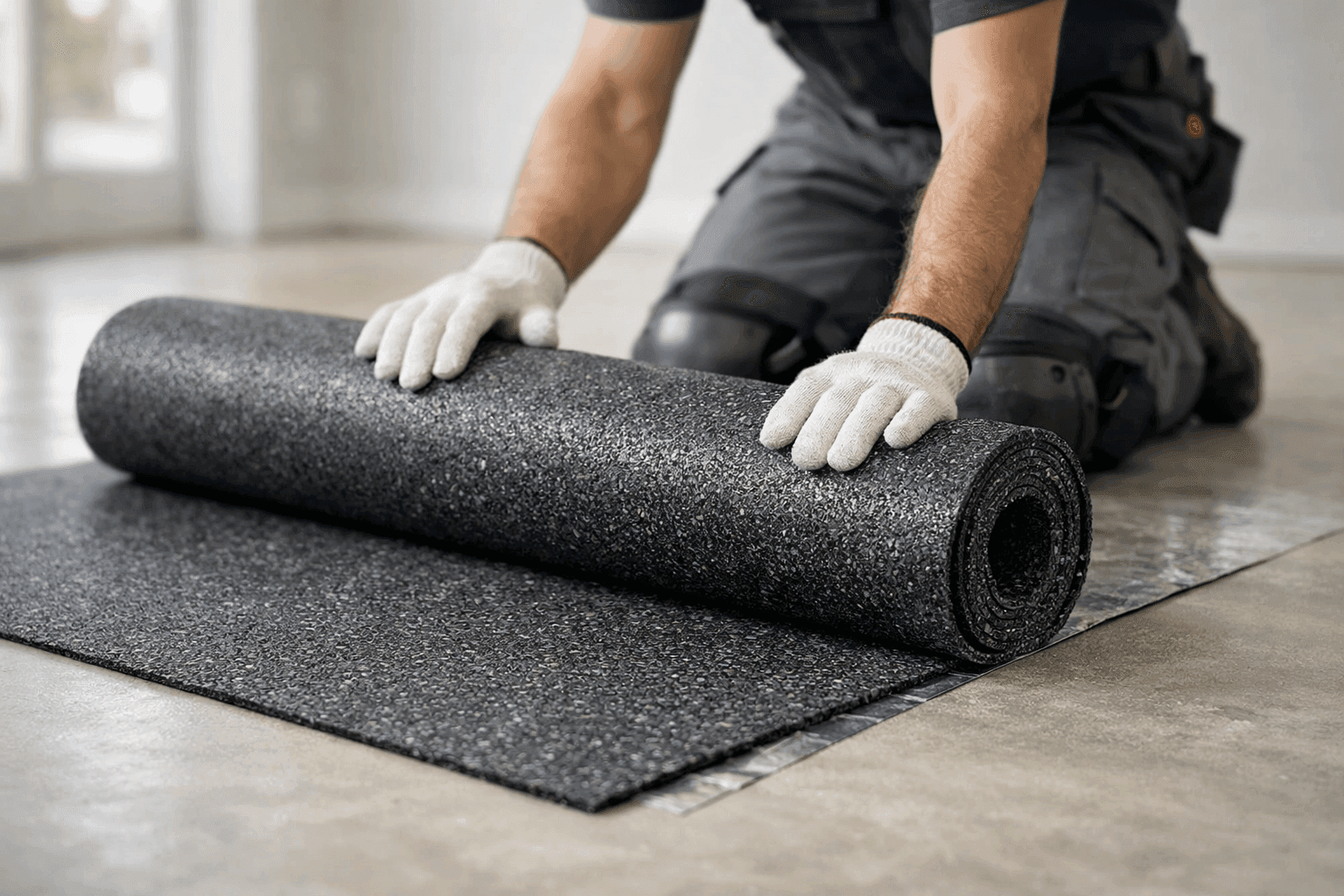
When every footstep echoes or the neighbor’s TV keeps you up, peace at home—or focus at work—can feel impossible. Noise travels fast. The right flooring? It stops sound in its tracks. At JC Carpet & Flooring, we help homes and businesses find the silence they crave, with proven soundproofing solutions that fit any space or style.
Let’s cut through the confusion. Here’s how to make floors quieter—starting from the ground up.
Why Soundproof Floors?
The floor is more than what you walk on. It’s a barrier—or a bridge—for sound. In residential flooring, footsteps, dropped toys, or even the washing machine rumble can travel room to room. In offices, the clatter of shoes or rolling chairs turns conference calls into chaos.
Soundproof floors protect privacy, boost concentration, and help you unwind. They’re an investment in comfort. And, in commercial spaces, they’re often required by local building codes or lease agreements. Less noise means fewer distractions, happier tenants, and a better environment.
Best Soundproofing Materials 🛠️
Some floors hush noise better than others. The trick isn’t always what you see—it’s what’s underneath.
Underlayment: The Unsung Hero
- Acoustic underlayment: Special foam, cork, or rubber layers beneath your floor absorb vibrations before they become noise.
- Mass loaded vinyl (MLV): Heavy, flexible sheets that add density and block sound transmission.
- Cork underlayment: A natural, eco-friendly option with strong sound-dampening properties.
The Flooring Itself
- Carpet: Dense pile carpet with quality padding is unbeatable for absorbing footsteps.
- Luxury Vinyl Plank (LVP) and Tile (LVT): Modern options with built-in sound barriers.
- Engineered hardwood: Paired with the right underlayment, it’s quieter than solid wood.
- Laminate flooring: Choose products with pre-attached underlayment for extra hush.
- Cork and bamboo: Both are soft underfoot and muffle noise well.
Extra Layers
- Area rugs and runners: Quick sound fixes for high-traffic zones.
- Epoxy and concrete: Hard surfaces, but with proper coatings and mats, they can be quieter than you’d think.
Installation Tips: Quiet from the Ground Up
Soundproofing isn’t just about products—it’s about how you put them together.
- Seal the edges: Gaps let sound sneak through. Acoustic caulk around floor edges seals leaks.
- Float the floor: Floating floors (not nailed or glued) reduce vibration transfer.
- Stagger seams: Overlapping seams in underlayment and flooring disrupt sound waves.
- Double up: In high-noise areas, consider two layers of underlayment. Check the floor height and transitions.
- Check the subfloor: An uneven or damaged subfloor amplifies noise. Repair before installing anything new.
If you’re not sure what’s beneath your current floor, consider a professional Flooring Consultation. We can assess your space and recommend the best approach.
Quick Safety Checklist
Before you start:
- Wear ear protection when using power tools.
- Clear the space—remove furniture, cords, and loose items.
- Check for water damage or mold beneath old floors.
- Review local building codes for multi-family or commercial spaces.
Better safe than sorry.
DIY or Call a Pro?
Some projects are weekend-friendly: laying down an area rug, swapping in new underlayment, or floating laminate. But if your space is large, the subfloor needs repair, or you’re aiming for code compliance, a pro is your best bet.
A professional flooring contractor has the tools and know-how to:
- Ensure seamless underlayment coverage.
- Repair or level subfloors.
- Install sound barriers without voiding warranties.
- Meet commercial and residential code requirements.
For complex spaces—like apartments, offices, or basements—call JC Carpet & Flooring and ask about our Commercial Flooring solutions.
How Pros Handle Soundproofing on Arrival
- Inspection: Assess current flooring, subfloor, and potential sound leaks.
- Recommendations: Suggest tailored materials based on space use and budget.
- Preparation: Remove old flooring, repair subfloor, and clean thoroughly.
- Installation: Layer underlayment, seal gaps, and install flooring per manufacturer specs.
- Testing: Walk the space, check for squeaks, and confirm sound reduction.
Prevention & Maintenance
Soundproofing isn’t a one-time fix. To keep things quiet:
- Clean floors regularly—dust and debris wear down sound barriers.
- Replace worn-out rugs and underlayment.
- Fix squeaks or loose boards promptly.
- Use felt pads under furniture legs.
Costs & Time Factors
Soundproofing can be affordable—or a bigger investment—depending on:
- Material choice: Carpet and cork are often less expensive than double-layered vinyl or hardwood.
- Room size: Larger spaces mean more material and labor.
- Subfloor condition: Repairs add time and cost.
- Commercial requirements: Offices may need higher-grade (and pricier) solutions.
Plan for 1–3 days for residential jobs, longer for commercial or multi-room spaces.
Signs Your Floors Need Soundproofing
- Echoes or “hollow” sounds when you walk.
- Noise from above or below passes easily.
- Disturbed sleep or distracted work.
- Complaints from tenants or neighbors.
If any of these sound familiar, it’s time for an upgrade.
Common Mistakes to Avoid 🚫
- Skipping the underlayment to save money—noise will find its way through.
- Using the wrong materials (like hard tile with no padding in a noisy corridor).
- Failing to seal edges and transitions.
- Ignoring subfloor issues.
- Forgetting about moisture barriers in basements or ground floors.
Mistakes can be costly to fix—invest in doing it right the first time.
Frequently Asked Questions
Does soundproof flooring block all noise?
No flooring blocks 100% of sound, but the right combination can reduce noise by 50% or more. The goal? Minimize impact and airborne noise for a more peaceful space.
Is soundproofing required by law?
Some commercial buildings, condos, and apartments may require a minimum sound rating—usually measured by IIC (Impact Insulation Class). Check local building codes or ask your flooring specialist.
What’s the best flooring for soundproofing in apartments?
Carpet with dense pad, LVP with quality underlayment, or cork. Each offers a different look and feel but all can hush footsteps and echoes.
Seasonal Considerations
Humidity and temperature changes can affect some flooring and underlayment. Follow manufacturer care guidelines—especially in basements, garages, or outdoor spaces.
When You Need Silence Now: Emergency Upgrades
Major disruptions, like a new baby or a new office neighbor, might call for fast action. Area rugs, rubber mats, or temporary acoustic panels can make a quick difference while you plan a longer-term solution.
Timeline & Disruption
Soundproofing installation can be quick—especially with floating floors or snap-together systems. Expect some noise and dust, but a professional crew keeps disruption to a minimum. Most homes are back to normal within a day or two.
Flooring Soundproofing for Every Space
Whether you’re covering a single room, an entire house, or a busy office, there’s a soundproofing solution for every floor. At JC Carpet & Flooring, we’ve helped clients from all walks of life enjoy quieter, more comfortable spaces. We work with residential flooring near you and commercial properties alike.
For more details on how we support your local area, see how our flooring services benefit homes and businesses alike.
Ready to make your home or business quieter? Call JC Carpet & Flooring now — or reach us anytime at 855-557-1115 .