Subfloor Repair: Fixing the Foundation for Lasting Floors
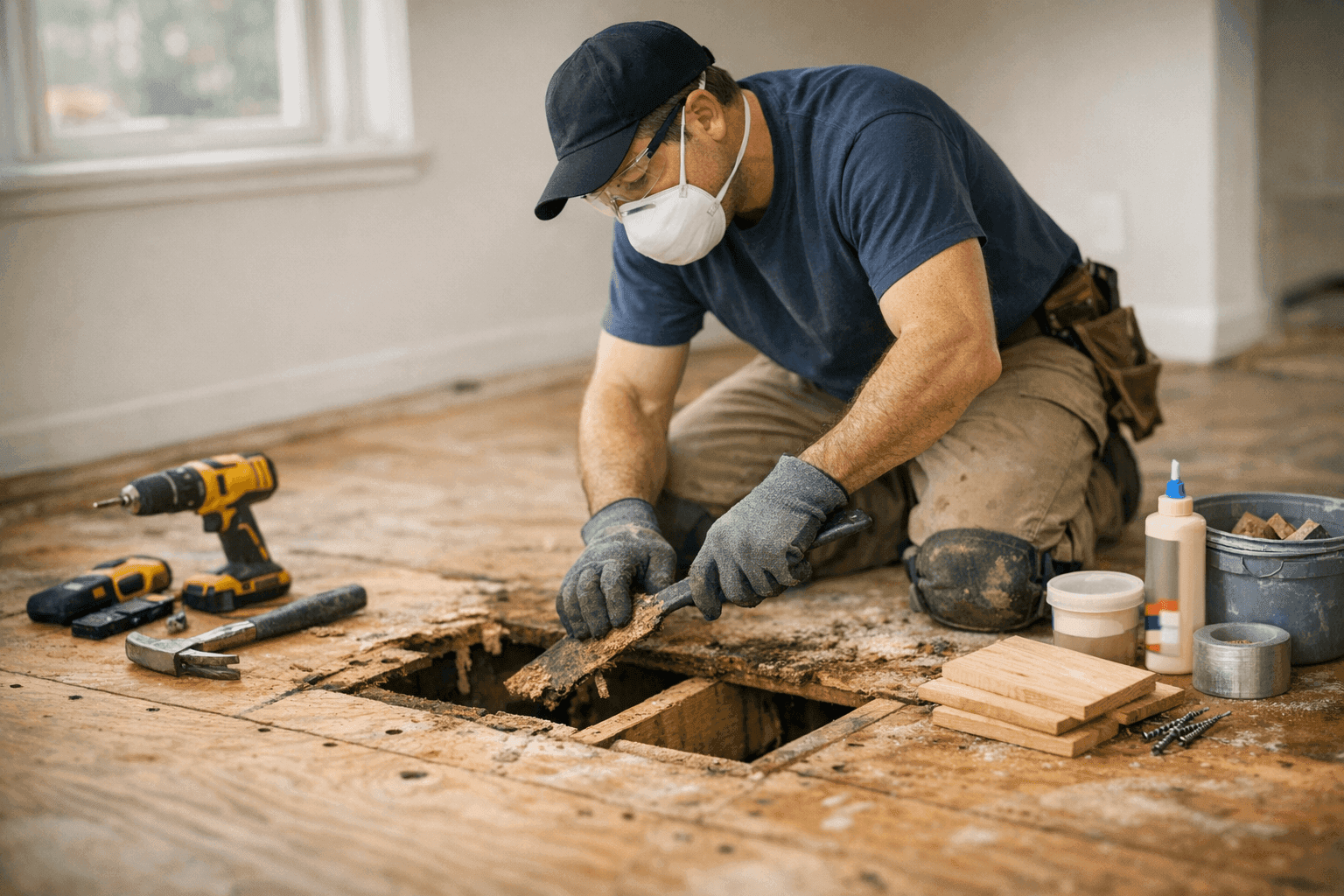
It’s easy to get excited about new flooring. The colors, the texture, the way it will transform your space—home or business. But here’s the truth: beautiful flooring is only as strong as what’s underneath. Ignore the subfloor, and problems will creep up when you least expect them.
At JC Carpet & Flooring, we’ve seen floors buckle, warp, or squeak because the foundation below wasn’t right. If you want lasting results from your Residential Flooring near you or in your commercial space, subfloor repair isn’t just an option—it’s a must.
What Is a Subfloor? The Hidden Backbone of Every Floor
Think of the subfloor as the bones beneath your skin. You can’t see it, but it gives everything above it shape and strength. A subfloor is the layer between your home’s joists and the visible flooring—like carpet, tile, or luxury vinyl plank. It’s usually made of plywood, oriented strand board (OSB), or another sturdy material.
This layer supports every step, every piece of furniture, and every rolling cart. If the subfloor is weak, even the finest hardwood or luxury vinyl will show signs of trouble before long.
Common Subfloor Issues: What Can Go Wrong? 🛑
Subfloors hide their secrets well—until they don’t. Here are the most common problems we find:
- Moisture Damage: Water from leaks or humidity warps wood and breeds mold.
- Rot or Decay: Especially in basements, moisture can eat away at the subfloor over time.
- Squeaks and Creaks: Annoying noises often mean fasteners are loose or the wood is rubbing.
- Sagging or Unevenness: Joists settle, wood bows, or previous repairs weren’t done right.
- Cracks and Soft Spots: You might feel a “give” when you step in certain places.
These issues don’t just ruin comfort—they can lead to unsafe flooring, higher maintenance costs, or even structural problems.
Signs of Trouble: How to Spot Subfloor Problems
Wondering if your subfloor needs help? Watch for these red flags:
- Floors that feel spongy or soft underfoot
- Persistent squeaking, even after new flooring is installed
- Visible sagging or dips, especially near heavy furniture
- Visible water stains, mold, or musty smells
- Tiles or planks that keep popping loose
If any of these sound familiar, it’s time to look deeper.
Quick Safety Checklist Before You Start
- Turn off water sources near the repair area.
- Use proper protective equipment: gloves, mask, and safety glasses.
- Test for mold: If you notice black spots or a musty smell, consult with a pro immediately.
- Check for electrical or plumbing beneath the floor before removing any panels.
Working on subfloors can expose hazards often hidden from view. Following OSHA guidelines for workplace safety is always a wise move.
DIY vs. Call a Pro: When to Tackle Repairs Yourself
Some minor subfloor fixes can be handled by handy homeowners—like securing loose boards or replacing a small, dry section. But:
- If you see widespread water damage
- If the floor feels uneven throughout a room
- If mold or rot is present
- Or if the issue affects multiple rooms
Call a professional flooring contractor. These problems often run deeper than they appear and require specialized tools and know-how.
What Pros Do On Arrival: The JC Carpet & Flooring Process
When our team arrives, we bring more than just tools. Here’s how we approach subfloor repair:
- Thorough Inspection: We lift sections of flooring only where needed to minimize disruption.
- Moisture Testing: Using advanced meters, we check for hidden dampness.
- Structural Assessment: We check joists and supports for any shifting or settling.
- Material Matching: We use the right grade and thickness for patches or replacements.
- Leveling: Using shims or self-leveling compounds, we ensure a flat surface (see our Floor Leveling service).
- Sealing: We address moisture barriers if needed to prevent future problems.
- Final Checks: Before new flooring goes in, we make sure everything is solid, clean, and level.
Repair Methods: How Subfloors Get Fixed
Every floor tells a different story. Here are some ways subfloor repair is handled:
- Simple Refastening: Securing loose panels with screws to silence squeaks.
- Sectional Replacement: Cutting out and replacing damaged areas with fresh material.
- Sistering Joists: Adding reinforcement alongside old joists if they’re sagging or cracked.
- Leveling Compounds: Applying self-leveling underlayment to even out minor dips.
- Moisture Barrier Installation: Laying down vapor barriers in basements or over concrete.
Sometimes, repairs reveal issues that need Floor Repair or even further structural work. We’ll always walk you through the best path forward.
Timeline & Disruption: How Long Does Subfloor Repair Take?
The answer depends on the problem’s size. Minor repairs can be done in a day. Major replacements may take several days, especially if drying time for moisture barriers or leveling compounds is required.
We do our best to keep dust and debris to a minimum. If you’re planning a renovation, talk to us early so we can coordinate with other contractors and minimize downtime.
Seasonal Considerations: When Is the Best Time for Subfloor Repair?
Subfloor repairs can be done year-round, but dry weather is ideal. In damp conditions, drying takes longer. If you live in a region with wet winters or humid summers, consider scheduling repairs during milder months.
Prevention & Maintenance: Protecting Your Subfloor
Want to keep your subfloor healthy? Here’s how:
- Fix plumbing leaks fast.
- Use area rugs in high-traffic spots.
- Keep humidity in check, especially in basements.
- Inspect for signs of trouble every year—especially before installing new floors.
If you’re ever in doubt, ask a flooring company for a quick inspection. Early action saves headaches down the road.
Costs & Time Factors: Planning Your Project
Subfloor repair can range in cost. Small fixes are affordable. Large, structural repairs cost more, especially if you need to replace extensive sections or add moisture barriers. Materials, labor, and your floor’s unique quirks all play a part.
For an accurate estimate, let us take a look in person. This way, there are no surprises.
When It’s an Emergency: Don’t Wait to Fix These
Some subfloor problems can’t wait:
- Soft spots that get worse quickly
- Water leaks from appliances, plumbing, or flooding
- Signs of mold or rot
- Sagging floors near walls or major support beams
In these cases, call a flooring specialist right away. Waiting can make repairs harder—and more expensive.
Common Mistakes to Avoid
- Skipping the subfloor inspection before new flooring
- Covering up moisture problems instead of fixing them
- Using the wrong patching materials
- Not letting repairs dry or cure fully before installing new flooring
A little patience and attention up front make all the difference.
Benefits of a Strong Subfloor: Why It Matters 🏡
Why go through all this trouble? Because a strong subfloor means:
- Floors that last longer—saving money in the long run
- Fewer squeaks, creaks, and complaints
- Safer, healthier spaces (no hidden mold or soft spots)
- Smoother, more attractive finished floors—no dips or humps
It’s the foundation your investment deserves.
The Value of Professional Help: Experience Matters
Subfloor repair isn’t glamorous, but it’s the heart of quality flooring. Our team at JC Carpet & Flooring brings decades of experience to every job—whether it’s a small patch or a full replacement. We follow industry best practices and reference standards like the National Wood Flooring Association’s guidelines and local building codes.
If you’re in need of subfloor repair or want an inspection from trusted flooring specialists, our team is here to help. For those in the area looking for flooring services, we’re proud to serve your community.
Ready for Solid Floors? Get Started Today
Don’t let hidden problems ruin your new flooring. Whether you’re planning a remodel or just want peace of mind, let us help you build from the ground up.
Call JC Carpet & Flooring now — or reach us anytime at 855-557-1115 .