Tile Flooring Maintenance: Cleaning and Sealing Guide
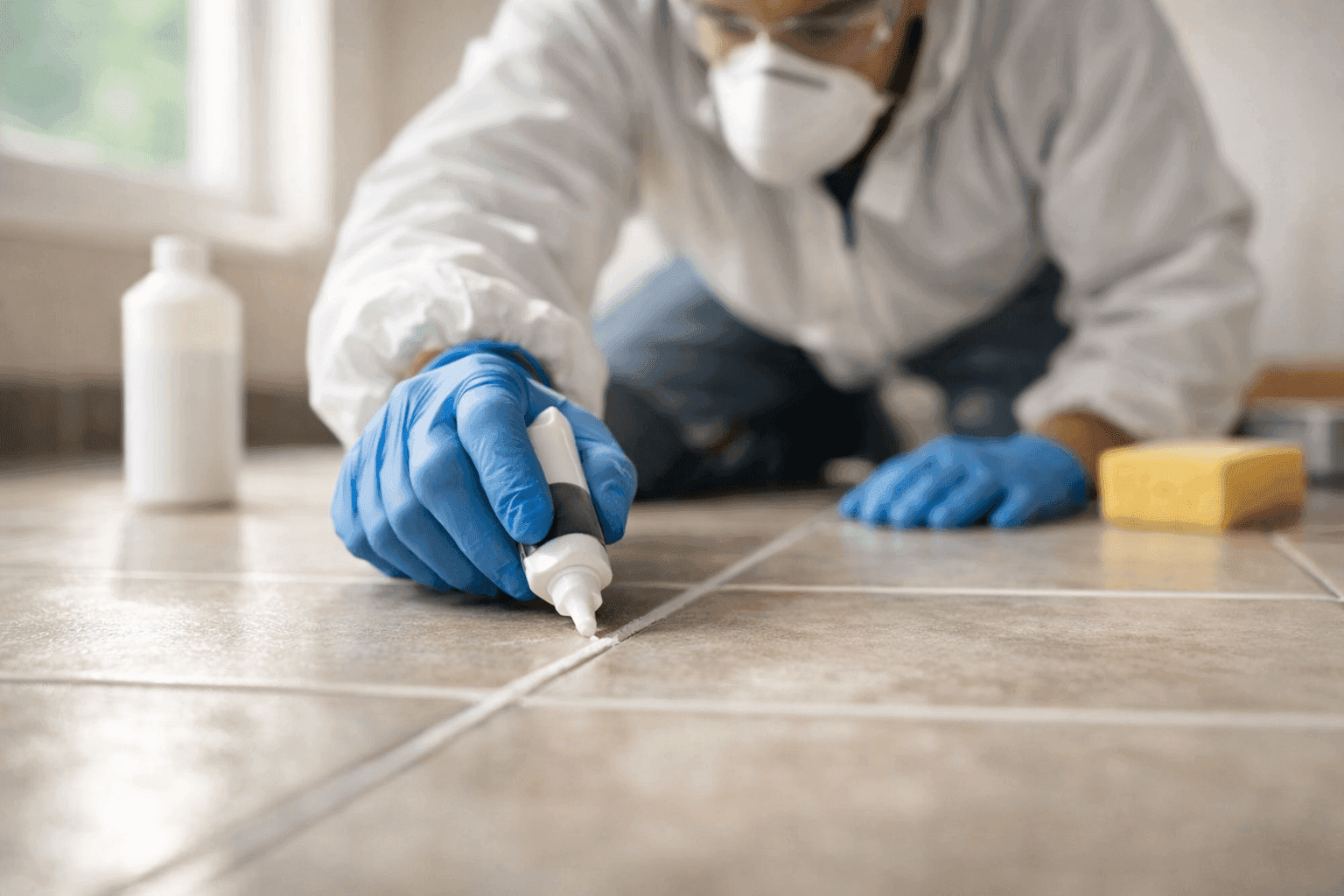
Tile floors look stunning—when they’re clean and cared for. But tough stains, stubborn grout, and mystery marks? Those can turn a gorgeous kitchen or bathroom into a daily headache. At JC Carpet & Flooring, we know the difference a well-maintained floor makes. We see it in homes and businesses every day.
This guide is for anyone who wants that just-installed shine to last. Learn how to care for your tile, when to reseal grout, and what to watch for—before small issues become big headaches.
Daily and Weekly Tile Care: Small Steps, Big Payoff 🧹
Your tile floors are like a car’s windshield—they need regular cleaning to stay clear and bright. Here’s how to keep things simple:
- Sweep or vacuum daily to remove dust, grit, and crumbs. A soft broom or brush vacuum is best.
- Damp mop weekly with warm water and a pH-neutral cleaner (avoid vinegar or harsh chemicals). Rinse with clean water to prevent residue.
- Wipe spills quickly. Acidic foods and drinks (think coffee, juice, tomato sauce) can stain grout fast.
Pro tip: Heavy traffic? Place mats at entrances to catch grit and moisture. Your floors—and your allergies—will thank you.
Grout Cleaning: The Hidden Key to Fresh Floors
Grout is like the seams of your favorite jeans—when it’s dirty, the whole look suffers. Clean grout makes tile pop.
- DIY solution: Mix baking soda and water into a paste. Apply to grout lines, scrub gently with a soft brush, rinse, and dry.
- Avoid bleach unless absolutely necessary. It can break down grout over time and irritate sensitive skin.
- For tough stains: Try a commercial grout cleaner marked safe for your tile type. Always wear gloves and ventilate the area.
If you notice mold, mildew, or persistent stains, consider scheduling professional Grout Cleaning and Sealing.
When to Reseal: Timing Is Everything
Sealing grout isn’t just about looks—it’s about protection. Unsealed grout absorbs spills like a sponge.
How to tell if your grout needs resealing:
- Water drops soak in instead of beading.
- Stains appear more often and are harder to remove.
- You see darkening or uneven color in the grout lines.
Most grout should be resealed every 1–2 years, depending on traffic and use. In kitchens, bathrooms, and entryways, check every 12 months. If you’re unsure, our Flooring Maintenance pros can inspect and advise.
Spotting Trouble Early: Signs Your Floors Need Help
A healthy tile floor is more than just shiny. Watch for these warning signs:
- Cracked or loose tiles—can signal movement, moisture, or subfloor issues.
- Grout crumbling or missing—often points to water damage or poor installation.
- Persistent odors or dark spots—may indicate mold hiding below the surface.
If you spot these, don’t wait. Issues caught early are usually easier (and less costly) to fix.
Safety First: Cleaning Products and Allergy Awareness 🛑
Not all cleaning products are created equal. Some chemicals, especially bleach or ammonia, can release fumes that linger—and irritate allergies or asthma.
What to use:
- pH-neutral tile cleaners
- Natural options like diluted castile soap
- Microfiber cloths (trap dust, reduce allergens)
What to skip:
- Abrasive pads (they scratch tile)
- Steam mops (unless your tile type is steam-safe)
- Anything with “acid” in the name on stone tile (it can etch and dull the surface)
Always check manufacturer instructions and test new products in a small, hidden spot first.
DIY or Call a Pro? Knowing Your Limits
Most daily and weekly care is DIY-friendly. But some tasks are best left to flooring specialists:
Call a professional if:
- Grout is deeply stained or missing
- You notice loose tiles or hollow sounds when tapped
- There’s a musty smell or visible mold
Professional deep cleaning uses specialized tools and products to lift years of buildup—without damaging your floors. It can also help with Tile Flooring repairs and upgrades.
What Pros Do On Arrival: The JC Carpet & Flooring Process
When you invite us in, here’s what you can expect:
- Friendly inspection—no pressure, just honest advice.
- Testing grout and tile for moisture and stability.
- Professional-grade cleaning with safe, effective products.
- Precision sealing for long-lasting protection.
- Clear care instructions, so you know how to keep floors looking their best.
We follow guidelines from the Tile Council of North America and OSHA for safety and quality.
Prevention & Maintenance: Building Good Habits
Good habits now save money (and hassle) later. Here’s what works:
- Place mats at entrances and high-traffic zones.
- Use chair pads to prevent scratching.
- Clean up spills fast—especially oil, wine, coffee, and pet accidents.
- Schedule a professional floor inspection annually.
If you’re searching for Residential Flooring near you, regular care is the secret ingredient to long-lasting beauty.
Common Mistakes to Avoid 🚫
- Over-wetting your floors—standing water can seep into grout and subfloor.
- Skipping the rinse—leftover cleaner attracts dirt.
- Using harsh chemicals on natural stone or colored grout.
- Forgetting to reseal—grout is not naturally waterproof!
Small slip-ups can lead to big repairs. When in doubt, ask a pro.
Materials and Equipment: What’s Worth Having
- Soft-bristle broom or brush vacuum
- Microfiber mop and cloths
- pH-neutral cleaner (read the label!)
- Grout brush (an old toothbrush works in a pinch)
- Sealer (penetrating or surface, depending on tile type)
Bonus: Keep a kneeling pad handy for long scrubbing sessions. Your knees will appreciate it.
Timeline and Disruption: What to Expect
- DIY cleaning: 30–60 minutes for most rooms
- Sealing grout: Allow 24 hours for floors to dry before sealing; another 24 hours to cure before heavy use
- Professional service: Most jobs done in half a day, minimal disruption
Plan ahead—try to schedule deep cleans or sealing when you can keep pets and kids off the floor for a few hours.
Seasonal Considerations: Keep Floors Happy Year-Round
- Winter: Salt and sand can scratch tile. Sweep more often and use entry mats.
- Spring: Pollen can collect in grout lines—vacuum and mop regularly.
- Summer: Humidity can slow down drying. Use fans to speed things up after mopping.
- Fall: Mud and leaves track in. Clean mats and vacuum grout lines more often.
Costs and Time Factors: What to Budget
- DIY cleaners and tools: $25–$50
- Grout sealer: $20–$40 per bottle (covers most kitchens or baths)
- Professional grout cleaning and sealing: Pricing varies by room size and condition
Remember, regular care is an investment. A well-maintained floor can last decades.
When It’s an Emergency: Act Fast
- Flooding, major leaks, or sewage backup? Call for professional help immediately.
- Mold or mildew that keeps coming back is a sign of deeper problems.
- Broken or missing tiles create tripping hazards—don’t wait to repair.
If you need urgent flooring services, contact your local flooring contractor.
FAQ: Common Tile & Grout Questions
How often should I mop my tile floor?
Weekly for most homes, more often in busy areas or with pets and kids.
Can I use steam on my tile?
Only if the tile manufacturer says it’s safe. Some natural stone and older grout can be damaged by steam.
Is sealing grout really necessary?
Yes. Grout is porous and soaks up spills, stains, and bacteria unless it’s sealed.
Your Next Step: Keep Tile Floors Beautiful
Caring for tile floors isn’t magic. It’s a mix of small, regular habits and knowing when to call in professional help. If you want more details or need help with Tile Flooring in your area, we’re here to help.
Call JC Carpet & Flooring now — or reach us anytime at 855-557-1115 .