Vinyl Flooring vs. Laminate: Pros, Cons, and Best Uses
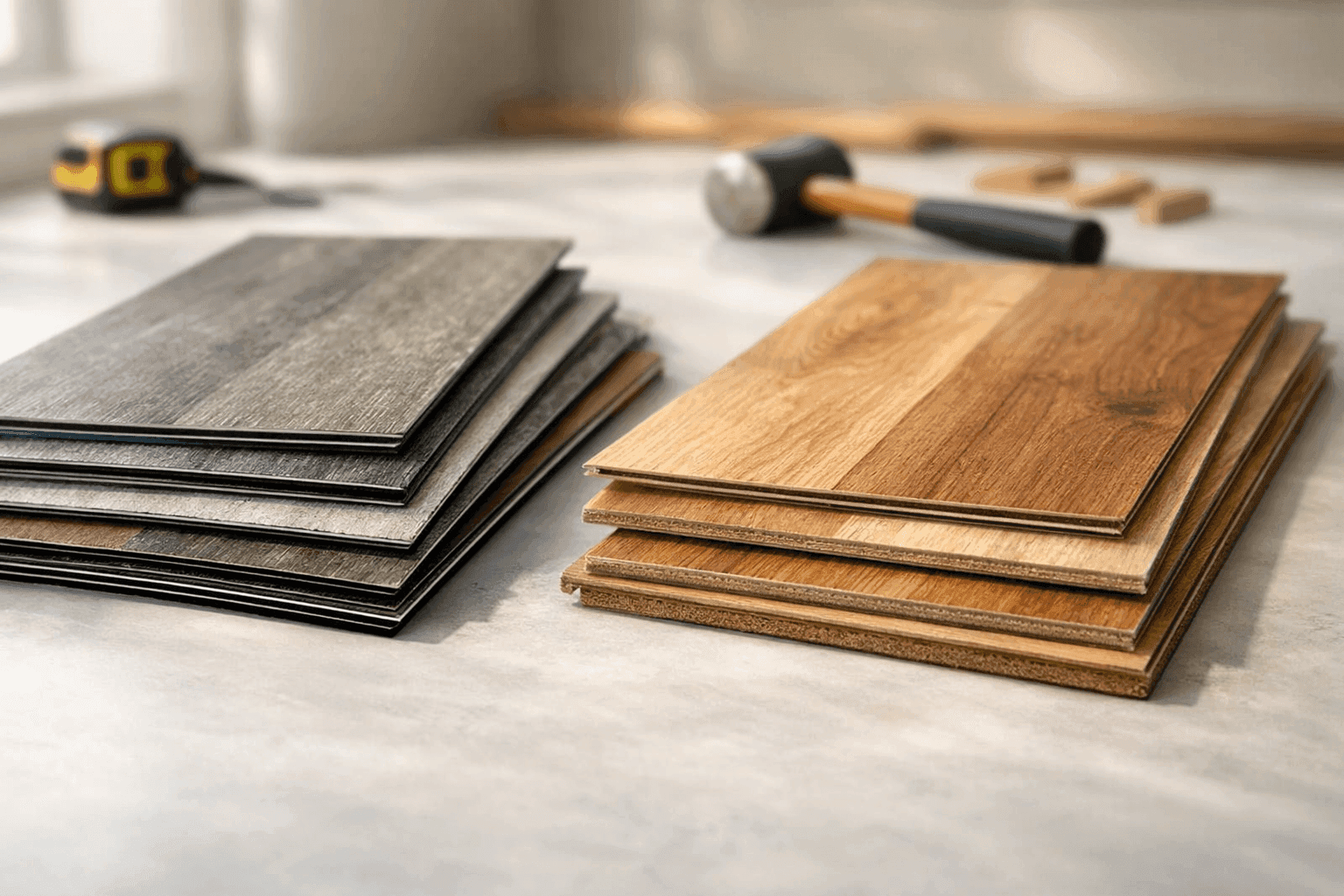
Choosing a new floor? It’s rarely just about looks. You want something that holds up to muddy boots, spilled coffee, and the stampede of everyday life. At JC Carpet & Flooring, we hear it all the time: “Vinyl or laminate—which one’s right for me?” There’s no simple answer, but you’ll find the facts here.
Let’s cut through the confusion and get your questions answered. Whether you’re sprucing up your living room or refreshing a busy office, the right information makes all the difference.
Vinyl vs Laminate: Appearance and Feel
When you walk into a room, the floor sets the mood. Vinyl and laminate have both come a long way from their humble beginnings.
- Vinyl Flooring: Modern vinyl mimics wood, stone, or even ceramic. Thanks to advanced printing and texture technology, it’s tough to tell the difference at a glance. The feel underfoot is smooth and slightly softer—think of it like the difference between a paperback and a hardcover book.
- Laminate Flooring: Laminate shines when it comes to realistic wood visuals. High-definition printing and embossed surfaces give it a satisfying grain and texture. It feels sturdier, with a bit more “click” when you walk.
Both offer a wide range of colors and patterns. If you want a floor that fools the eye, either can get you there. For spaces where warmth and comfort matter—like bedrooms—vinyl’s softer touch is a quiet plus.✨
Durability and Moisture Resistance
Floors take a beating. Spills happen. Pets have accidents. Water creeps in. Here’s how each material handles the daily grind:
- Vinyl Flooring: Waterproof. We’re talking about the superhero of spill-prone spaces. Vinyl shrugs off water, making it a favorite for kitchens, bathrooms, and basements. It resists dents and scratches, though dragging heavy furniture can still leave its mark.
- Laminate Flooring: Water-resistant, but not waterproof. Laminate’s core is made of wood fiber. If left wet for too long, it can swell or warp. Great for dry areas like living rooms and bedrooms, but keep a mop handy for spills.
For homes with kids, pets, or lots of foot traffic, vinyl takes the edge. Laminate works beautifully in low-moisture zones, where its sturdy surface stands up to scratches and fading.
Installation and Cost
Let’s talk about what it takes to get these floors down—and what it’ll cost you.
Installation:
- Vinyl Flooring: Comes in planks, tiles, or sheets. Many types are “floating” floors, locking together over your subfloor. Others require glue. Generally, vinyl is flexible and forgiving, covering minor bumps or imperfections.
- Laminate Flooring: Almost always installed as a floating floor, clicking together over an underlayment. It needs a pretty flat subfloor—laminate does not like hills or valleys.
Cost:
- Vinyl Flooring: Prices range from budget-friendly to luxury. Sheet vinyl is usually cheapest, while luxury vinyl plank (LVP) costs more but brings better looks and durability.
- Laminate Flooring: Similar price range. Entry-level laminate is affordable, but high-end options—especially with water-resistant features—can rival LVP in cost.
DIYers often find both options manageable, but if you’re not handy with a saw or measuring tape, a pro install saves headaches. For cost breakdowns and more details, check our vinyl flooring and laminate flooring services.
When to Choose Each
How do you pick between these two flooring heavyweights? Here’s a quick guide:
Choose Vinyl Flooring If:
- You’re outfitting a bathroom, laundry room, or basement.
- Life is messy—kids, pets, or unpredictable spills.
- You want “set it and forget it” moisture protection.
Choose Laminate Flooring If:
- You crave the look and feel of real wood.
- The space is dry—think bedrooms or offices.
- You want a sturdy floor that stands up to scratches and sun.
Still undecided? Sometimes, even the pros need to see samples in the space. Light and room size play tricks on color and texture. Reach out for a flooring consultation to compare options side by side.
Comfort Underfoot
One thing homeowners notice (often after installation): how the floor feels beneath your feet.
- Vinyl has a softer, more cushioned feel—especially with an attached underlayment. It’s friendlier for standing long hours, or for little ones crawling around.
- Laminate is firmer and may sound “hollow” if installed without proper underlayment.
If comfort is a top priority (say, for standing desks, nurseries, or kitchens), vinyl may have the edge.
Maintenance and Cleaning Tips
Both floors are low-maintenance, but a few habits will keep them looking their best:
- Vinyl: Sweep regularly. Mop with a damp cloth or a cleaner labeled safe for vinyl. Skip the abrasive brushes.
- Laminate: Dry sweep or vacuum. Clean spills quickly. Avoid soaking—use a damp mop, not a wet one.
Never wax laminate—its shine comes built-in. For vinyl, check the manufacturer’s care instructions. A little care goes a long way.
Sound and Insulation
Flooring isn’t just about what you see—it’s about what you hear.
- Laminate can be noisy underfoot, especially in echo-prone rooms. Underlayment helps, and there are soundproofing solutions for extra peace and quiet.
- Vinyl is quieter and absorbs sound better, making it a smart pick for playrooms, condos, or upper-story spaces.
Need help with noise issues? Ask about our soundproofing and underlayment options.
Safety and Codes
Both vinyl and laminate must meet safety standards for indoor air quality. Look for products with low VOC (volatile organic compound) emissions, certified by organizations like FloorScore or GREENGUARD.
If you’re installing in a commercial space, check your local building codes (refer to the International Building Code or your city’s guidelines) for slip resistance and fire ratings.
Timeline and Project Disruption
How long will your home or business be out of commission? Most residential vinyl and laminate installations wrap up in a day or two. Furniture moves out, floors go in, and you’re back to normal fast.
- Vinyl sheet: Quicker, but seams can be tricky in large rooms.
- Plank or tile: Takes a bit longer for a custom look, but worth the wait.
Plan for some dust, noise, and traffic. Let pets and kids stay elsewhere if possible. A smooth subfloor means less prep time.
Common Mistakes to Avoid
- Skipping the moisture test: Both floors need a dry, level subfloor. Moisture trapped underneath can cause buckling or mold.
- Using the wrong cleaner: Harsh chemicals can dull the finish or degrade adhesives.
- Forgetting expansion gaps: Laminate especially needs room to breathe—tight installations can lead to warping.
If you’re not sure, a professional flooring contractor can help you sidestep these pitfalls.
Flooring for Special Spaces
Different rooms have different needs:
- Kitchens & Baths: Vinyl every time, for waterproof peace of mind.
- Basements: Vinyl or water-resistant laminate, paired with a moisture barrier.
- Bedrooms & Offices: Laminate shines for warmth and style.
- High-Traffic Areas: Both are tough, but vinyl edges out for durability.
Need tailored advice for a unique space? Our team can guide you through options like radiant floor heating or cork and bamboo alternatives.
Eco-Friendly Options
Both laminate and vinyl offer greener choices:
- Laminate: Look for products made with recycled wood fibers and certified for low emissions.
- Vinyl: Choose phthalate-free options or floors made from recycled materials.
Ask about eco-friendly flooring options if sustainability is a priority for you.
Residential Flooring Near You
Looking for Residential Flooring that matches your lifestyle? JC Carpet & Flooring brings quality, variety, and honest advice to every project. Our showroom is packed with options—come see, touch, and compare for yourself.
Final Thoughts: Which Floor Wins?
There’s no one-size-fits-all answer. Vinyl and laminate each bring strengths to the table. The right choice depends on your space, your style, and the challenges you face every day.
Take your time. Ask questions. When you’re ready for a floor that fits your life, we’re here to help.
Call JC Carpet & Flooring now — or reach us anytime at 855-557-1115 .