What Is Floor Coating? Benefits and Applications
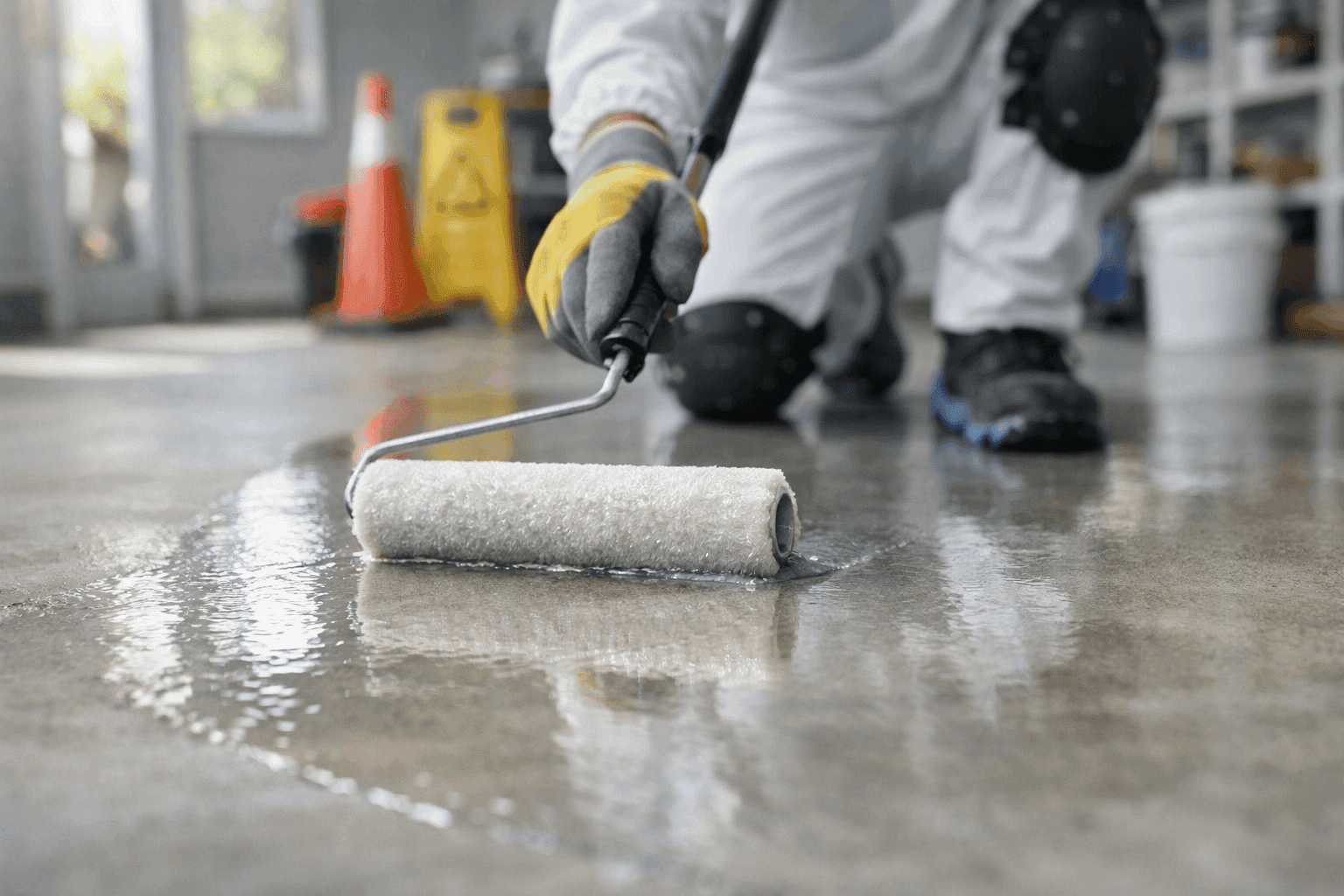
Does your home or business flooring take a beating? Heavy footsteps, rolling chairs, machinery, spills, and even just time itself can wear down surfaces fast. You want your floors to hold strong and look great, but how?
At JC Carpet & Flooring, we’ve seen just about every kind of surface problem. One of the most reliable solutions is floor coating. Whether you’re a homeowner tired of dull concrete or a manager looking for safer, more resilient commercial flooring, knowing your options can save you hassle and money.
What Are Floor Coatings? 🪄
Picture a weatherproof jacket for your floors. That’s what floor coatings do: they add a protective shield over your existing surface. The most common coatings are:
- Epoxy: Tough, chemical-resistant, and glossy—great for garages and workshops.
- Polyaspartic: Fast-curing, UV-stable, and even more flexible than epoxy.
- Urethane (Polyurethane): Adds scratch resistance and can withstand sunlight without yellowing.
Each type is a blend of science and utility. These coatings are mixed and applied as liquids, then harden into a protective shell. It’s chemistry at work, bonding tightly to concrete, wood, or other flooring.
Core Benefits of Floor Coating
Why bother with floor coatings? The perks go beyond just looks.
- Durability: Imagine armor for your floors. Coatings fend off stains, chips, and cracks.
- Slip Resistance: Additives can turn a slick floor into a safer space—essential under OSHA guidelines for workplaces.
- Low Maintenance: Spills? Just wipe them up. No need for constant scrubbing or waxing.
- Aesthetics: From mirror-shine to subtle matte, floor coatings can match your style or brand colors.
- Moisture Barrier: Keeps water, oils, and chemicals from seeping in and causing long-term damage.
- Value: A coated floor can extend your floor’s lifespan, saving money down the road.
Where Should You Use Floor Coatings?
The answer: almost anywhere that needs a tough, safe, and attractive surface.
- Garages and Workshops: Keep oil and tire marks at bay. Garage Flooring is one of our most popular uses.
- Basements: Stop moisture and musty smells in their tracks.
- Commercial Kitchens & Warehouses: Cleanliness and safety are crucial—coatings deliver both.
- Retail and Showrooms: High-gloss finishes invite customers in.
- Offices & Schools: Reduce maintenance and boost longevity with a custom finish.
- Outdoor Patios & Decks: UV-stable coatings hold up against the elements.
If you’re searching for “Residential Flooring near you,” coating options can transform both function and beauty in any room.
Quick Safety Checklist Before Coating
Floor coatings are serious chemistry. Before you start, consider:
- Is the surface structurally sound? Cracks or moisture issues need fixing first.
- Are you following ventilation and safety guidelines? Refer to OSHA and EPA standards for indoor air quality and chemical handling.
- Will the coating meet local building codes, especially for businesses?
- Do you need a slip-resistant finish for safety?
Always double-check with a flooring professional if you’re unsure.
DIY vs. Professional Floor Coating
There are plenty of DIY kits on the market. But applying floor coatings isn't just painting a wall—it’s more like baking a soufflé. Precise prep, temperature, and timing are critical. One missed step, and you might be dealing with bubbles, peeling, or worse.
Professionals like JC Carpet & Flooring bring:
- Commercial-grade materials you can’t buy at big-box stores
- Expertise in moisture testing and surface prep
- Knowledge of code and safety compliance
- Seamless, attractive finishes that truly last
What Happens When Pros Arrive?
Our team starts with a thorough inspection. We check for cracks, moisture, and old coatings that might cause trouble. Then, we prep the surface—cleaning, repairing, and sometimes grinding or sanding for best adhesion.
Next comes the mixing and application of the chosen coating. We monitor temperature and humidity, then apply one or more layers, sometimes adding texture or color flakes for extra grip or style.
After curing, we do a final safety check. Your space is ready for regular use—usually within 24–72 hours depending on the product.
Preventing Problems: Maintenance & Upkeep
Once your floor is coated, care is simple:
- Sweep or dust-mop regularly to keep grit from scratching the surface.
- Clean spills promptly with gentle soap and water.
- Avoid harsh chemicals or abrasive tools.
- Place mats at entryways to reduce tracked-in debris.
Well-maintained coatings can last for years. For commercial spaces, regular inspections help spot any early wear.
Costs, Timelines, and Disruption
Floor coating is an investment in longevity. Costs depend on the size, prep work, and product choice. Generally, it’s more affordable than replacing a damaged floor.
Timelines vary. Small residential jobs may be done in a day or two. Large commercial sites may take longer, especially if multiple coats or repairs are needed.
Disruption is minimal compared to full floor replacement. Most spaces are ready for light use within a day, and full use in a few days.
When Is Floor Coating an Emergency?
Some situations can’t wait:
- Chemical or oil spills causing floor damage
- Slippery surfaces posing a safety hazard
- Floors chipping or peeling, exposing hazards below
If you spot these, call a professional right away.
Common Mistakes with Floor Coatings
Even small missteps can lead to big headaches:
- Skipping surface preparation (the number one reason for coating failure)
- Ignoring moisture issues
- Using the wrong product for the environment (UV exposure, temperature swings, etc.)
- Underestimating cure times
A pro will steer clear of these pitfalls.
Signs Your Floor Needs Coating
Look for:
- Stains or discoloration that won’t wash away
- Cracks or pitting in concrete
- Slippery spots in high-traffic areas
- Dull or worn finishes
- Water or chemical damage
If these sound familiar, consider a consultation.
Timeline: From Start to Finish
Here’s a typical project flow:
- Inspection & Planning: 1–2 hours
- Surface Prep: 1–2 days (depending on repairs needed)
- Coating Application: 1 day
- Curing: 24–72 hours
We’ll always discuss the best schedule for your needs.
Choosing the Right Materials
Not all coatings are created equal. We select products based on:
- Intended use (residential, commercial, outdoor)
- Traffic levels
- Chemical exposure
- Desired look and feel
- Local code requirements
This is where material science meets real-world performance. For extra peace of mind, we follow standards set by organizations like ASTM International and the Concrete Polishing Council.
Frequently Asked Questions
How long does a floor coating last?
With proper care, epoxy and polyaspartic coatings can last 10–20 years or more.
Is it safe for homes with kids or pets?
Absolutely. Once cured, coatings are non-toxic and easy to clean.
Can I coat over old flooring?
Sometimes, but the underlying surface must be stable and clean. We’ll assess during our visit.
Seasonal Considerations
Temperature and humidity affect curing times and product choice. Spring and fall are ideal, but with the right prep, coatings can be applied year-round—even in tricky climates.
Why Trust JC Carpet & Flooring?
Our team is passionate about safe, high-performing floors. We stay up-to-date on building codes, safety regulations, and the latest materials. Whether you need Epoxy Flooring, garage upgrades, or a full consultation, we’re here to help.
If you’re looking for a reliable flooring contractor or want to learn more about our flooring services in your area, see our flooring company page for more information.
Call JC Carpet & Flooring now — or reach us anytime at 855-557-1115 .