What Is a Moisture Barrier and Does Your Floor Need One?
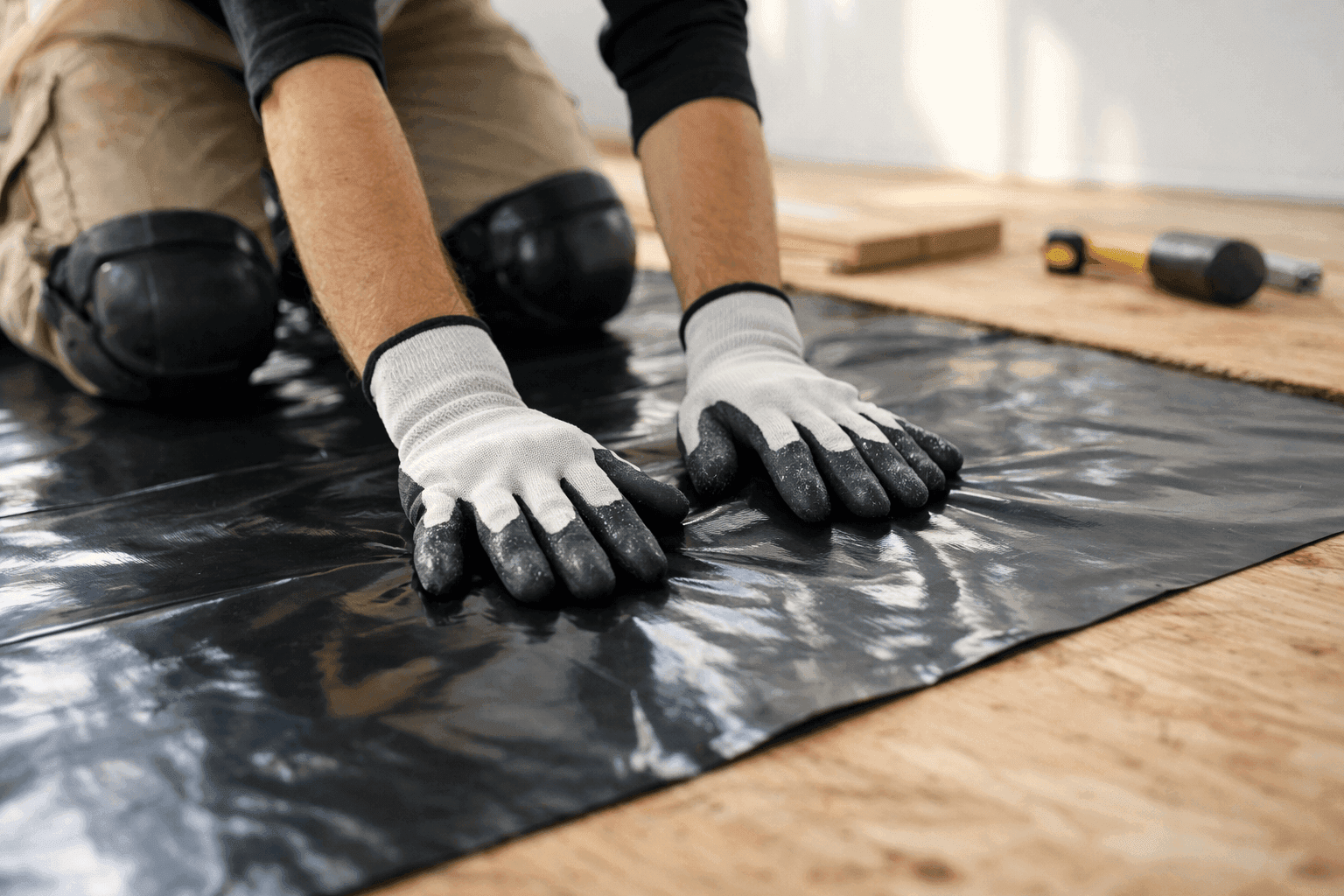
Most flooring damage starts where you can't see it—hidden beneath the surface. That slow, silent creep of moisture can warp wood, bubble vinyl, and turn your dream floor into a headache. At JC Carpet & Flooring, we see it all too often: a beautiful floor sabotaged by what’s lurking underneath.
Before you invest in new flooring, it’s essential to know how moisture barriers work and why they matter. Let’s pull back the curtain on this often-overlooked hero of healthy floors.
What Is a Moisture Barrier? 🛡️
Picture a raincoat for your floor. A moisture barrier is a special layer—plastic, resin, or membrane—installed beneath your surface flooring. Its job? Block water vapor, spills, or ground moisture from rising up and damaging your flooring material.
Moisture barriers keep dampness where it belongs: out of your home or business. They’re not glamorous, but they can be the difference between a floor that lasts decades and one that needs replacing in a few short years.
Why Moisture Matters
Moisture is your floor’s worst enemy. It sneaks in from below—especially in basements, over concrete slabs, or on ground-level rooms. Over time, even tiny amounts can:
- Cause hardwood planks to cup, swell, or split
- Lead to mold and mildew growth under carpets or vinyl
- Break down adhesives, causing tiles to lift
- Permanently stain or ruin expensive flooring
Whether you’re installing luxury vinyl plank, classic hardwood, or basement flooring, understanding where moisture comes from is the first step in protecting your investment.
When Is a Moisture Barrier Needed?
Not every floor needs a moisture barrier, but here’s when you should never skip it:
- Basements: Below-grade spaces are prone to ground moisture. Basement Flooring projects almost always require a barrier.
- On Concrete Slabs: Concrete “breathes” and wicks up moisture from the earth.
- Crawl Spaces and Garages: Ground-level rooms, especially in humid climates.
- Radiant Heated Floors: To prevent condensation.
- With Certain Materials: Hardwood, laminate, and some vinyl types are especially vulnerable.
If you’re unsure, a quick moisture test (using a calcium chloride or relative humidity kit) can reveal hidden issues. Many building codes (like the International Residential Code) now recommend or require moisture barriers in these situations.
Types of Moisture Barriers
There’s no one-size-fits-all approach. Moisture barriers come in several forms, each suited to different jobs:
- Plastic Sheeting: Common under concrete or floating floors. Usually 6-mil or thicker.
- Liquid Membranes: Rolled or painted on, great for irregular surfaces.
- Foam Underlayments: Combine soundproofing and moisture protection, perfect for laminate or LVP.
- Resin-Based Barriers: Used under hardwood for extra protection.
Choosing the right type depends on your subfloor and flooring material. Not sure which you need? Our flooring specialists can help you decide for your next Moisture Barrier Installation.
Common Flooring Types That Require a Moisture Barrier
Some floors are especially sensitive to moisture:
- Hardwood Flooring: Wood soaks up moisture and warps easily. Always use a moisture barrier over concrete. See more about Hardwood Flooring solutions.
- Laminate Flooring: Made from wood fibers, it’s vulnerable to swelling.
- Luxury Vinyl Plank (LVP) and Luxury Vinyl Tile (LVT): Some have built-in barriers, others do not—check manufacturer specs.
- Carpet Over Concrete: To prevent mold or mildew buildup.
- Basement Flooring: Any material installed below grade.
Quick Safety Checklist
Before installing new flooring, run through these safety checks:
- Test the subfloor for moisture using a reliable meter.
- Inspect for cracks, leaks, or signs of previous water damage.
- Check building codes for moisture barrier requirements.
- Use only recommended barrier types for your flooring.
Cutting corners here can mean big headaches later. The cost of a barrier is a drop in the bucket compared to replacing water-damaged floors.
Signs Your Floor Has Moisture Issues
How do you know if moisture is lurking under your floor? Watch for:
- Buckling, cupping, or warping planks
- Musty odors, especially after rain
- Discoloration or dark spots on carpet or tiles
- Persistent condensation on windows or baseboards
- Mold or mildew growth
If you spot any of these, consult a flooring contractor—fast. Early action can save you thousands.
DIY vs. Professional Installation
Laying a plastic sheet might sound easy, but proper moisture barrier installation is part science, part art. Pros know how to:
- Overlap and seal seams so water can't sneak through
- Address tricky cuts around pipes, drains, or uneven foundations
- Choose the right thickness and material for your specific floor
If you’re not sure, call in a flooring company for peace of mind. The right installation can add years to your floor’s life.
What Happens During a Professional Installation?
When the JC Carpet & Flooring crew arrives, here’s what you can expect:
- Full Inspection: We check for active leaks, cracks, and subfloor condition.
- Moisture Testing: Using calibrated meters, we measure exact moisture levels.
- Barrier Selection: We choose the ideal product for your space—no guesswork.
- Seamless Installation: Every seam is sealed, every edge tucked, every overlap measured.
- Final Check: We test again before laying the final floor.
This process follows best practices outlined by the National Wood Flooring Association and ASTM International standards.
Preventing Costly Moisture Damage
A little prevention saves a lot of trouble. Here’s how to keep moisture at bay:
- Keep gutters and downspouts clear to direct water away from your foundation.
- Use dehumidifiers in damp spaces, especially basements.
- Repair foundation cracks as soon as you spot them.
- Schedule periodic floor inspections to catch problems early.
Common Mistakes to Avoid
Even experienced DIYers can trip up. Watch out for:
- Skipping the moisture test: Don’t “eyeball” it.
- Using the wrong barrier for your floor type.
- Leaving gaps or unsealed seams.
- Ignoring manufacturer and code requirements.
Mistakes here don’t just void your flooring warranty—they can lead to hidden rot, mold, or even structural issues.
Costs, Timeline, and Disruption
Moisture barrier installation is usually quick—often just a few hours for most rooms. Costs vary by material type and square footage, but it’s one of the best-value upgrades you can make.
Expect some minor disruption: furniture needs moving, and floors must be clean and dry before starting. But the long-term peace of mind is worth it.
When It’s an Emergency
If you discover standing water or severe subfloor dampness, don’t wait. Remove flooring and dry out the area immediately. Mold can begin growing in as little as 48 hours.
In emergencies, a flooring specialist can assess the situation and recommend next steps—sometimes including moisture barrier installation as part of the repair.
Seasonal and Climate Factors
Moisture issues aren’t just a rainy-season problem. Humid summers and rapid temperature swings can drive condensation and vapor migration year-round. In cold climates, frost lines and ground thawing add extra risk.
If you live in an area prone to seasonal flooding, high humidity, or wide temperature swings, a moisture barrier is more than just insurance—it’s essential.
Frequently Asked Questions
Q: Will a moisture barrier stop all water damage?
A: No. It prevents vapor and minor dampness, but won’t block major leaks or floods. Always address the source of water first.
Q: Can I use a moisture barrier with radiant floor heating?
A: Yes, but you’ll need a product rated for higher temperatures. Check manufacturer guidelines.
Q: Does new construction need a moisture barrier?
A: Usually, yes—especially over concrete. Building codes often require it.
Closing Thoughts
Moisture barriers might not be the star of your next remodeling project, but they’re the unsung heroes protecting your investment from below. Whether you’re installing new hardwood, luxury vinyl, or basement flooring, skipping this step can cost you—sometimes more than the floor itself.
Want your next flooring project to stand the test of time? The flooring specialists at JC Carpet & Flooring are here to help with every step, from inspection to installation.
Call JC Carpet & Flooring now — or reach us anytime at 855-557-1115 .