What to Do if Your Floors Are Unlevel: Causes and Fixes
Have you ever stepped into your living room and felt like you were walking uphill? Or maybe your chair rolls away from your desk on its own. Unlevel floors are more than just a quirky feature—they’re a sign that your flooring needs attention, fast.
At JC Carpet & Flooring, we know how unsettling it can be to spot dips, slopes, or bouncy spots underfoot. Uneven floors can grow from a minor annoyance into major headaches. Let’s break down what’s happening, why it matters, and what you should do next.
Causes of Uneven Floors: Why Is My Floor Sloping? 🏠
Unlevel floors don’t just happen by chance. There’s always a story beneath your feet. Here are the main reasons your floors might start to drift or sag:
- Settling and Foundation Shifts: Over time, every building settles—like a heavy book slowly pressing into a soft pillow. Foundations can crack or move, especially in areas with shifting soils or lots of rain.
- Moisture Issues: Water is sneaky. Leaks from plumbing, rain, or humidity can make subfloors swell, warp, or rot. This is especially true for basements and bathrooms.
- Subfloor Problems: If your subfloor was installed poorly or the materials are failing, it can create high and low spots.
- Structural Damage: Termites, rot, or age can weaken beams and joists, making floors sag.
- Improper Installation: Sometimes, the original flooring or subfloor wasn’t installed with enough care or the right leveling materials.
- Heavy Loads: Large appliances, aquariums, or even a grand piano can cause floors to dip over time if the support isn’t right.
Safety Risks: Why You Can’t Ignore Uneven Floors
A sloping floor isn’t just inconvenient—it can be dangerous.
- Trip Hazards: Even small dips and rises can catch toes or wheels, causing falls.
- Furniture Instability: Wobbly tables and tipping bookshelves are no joke, especially around kids or pets.
- Damage to Flooring: Tiles can crack, grout can fail, and hardwood can split if the base isn’t flat. Over time, this means more costly repairs.
- Hidden Structural Issues: Unlevel floors are sometimes the first sign of big problems below—like foundation damage or rot.
The International Residential Code (IRC) and OSHA both stress the importance of safe, stable flooring in homes and businesses. Ignoring unevenness can put your property—and people—at risk.
Spotting the Signs: How Do You Know If Floors Are Unlevel?
Sometimes it’s obvious. Sometimes, not so much. Here are classic signs your floors are out of level:
- Doors that won’t close or swing open by themselves
- Gaps under baseboards or along walls
- Cracked tiles or popping floorboards
- A marble or ball rolling on its own
- Soft, spongy, or bouncy spots when you walk
If you notice more than one of these, it’s time to check things out.
Quick Safety Checklist: What to Do Right Now
Before you dive into repairs, take these steps:
- Clear away any tripping hazards (rugs, cords, loose boards).
- Move heavy items off of sagging areas.
- If water damage is suspected, shut off sources and dry things out.
- If you suspect a serious structural problem (like a large dip, crack, or bouncing), avoid the area and consult a professional.
DIY vs. Call a Pro: Can I Fix Uneven Floors Myself?
Some uneven floors can be tackled with a little know-how and elbow grease. Others need professional tools, experience, and safety precautions.
DIY May Work If:
- The unevenness is minor (less than 1/4 inch over 10 feet).
- The subfloor is solid, just a bit wavy.
- There’s no sign of water, mold, or structural damage.
Call a Pro If:
- The floor is sloping noticeably.
- There’s water or pest damage.
- Subfloor or joists are soft, rotten, or noisy.
- You’re dealing with a large area or a high-value floor (like hardwood or tile).
A professional flooring contractor will assess, measure, and recommend the safest, most reliable path forward.
What Pros Do on Arrival: The Floor Leveling Process
When you contact a flooring company like JC Carpet & Flooring, here’s what to expect:
- Inspection: We check the entire area—surface, subfloor, and sometimes the foundation.
- Moisture Testing: Moisture meters reveal hidden water damage or leaks.
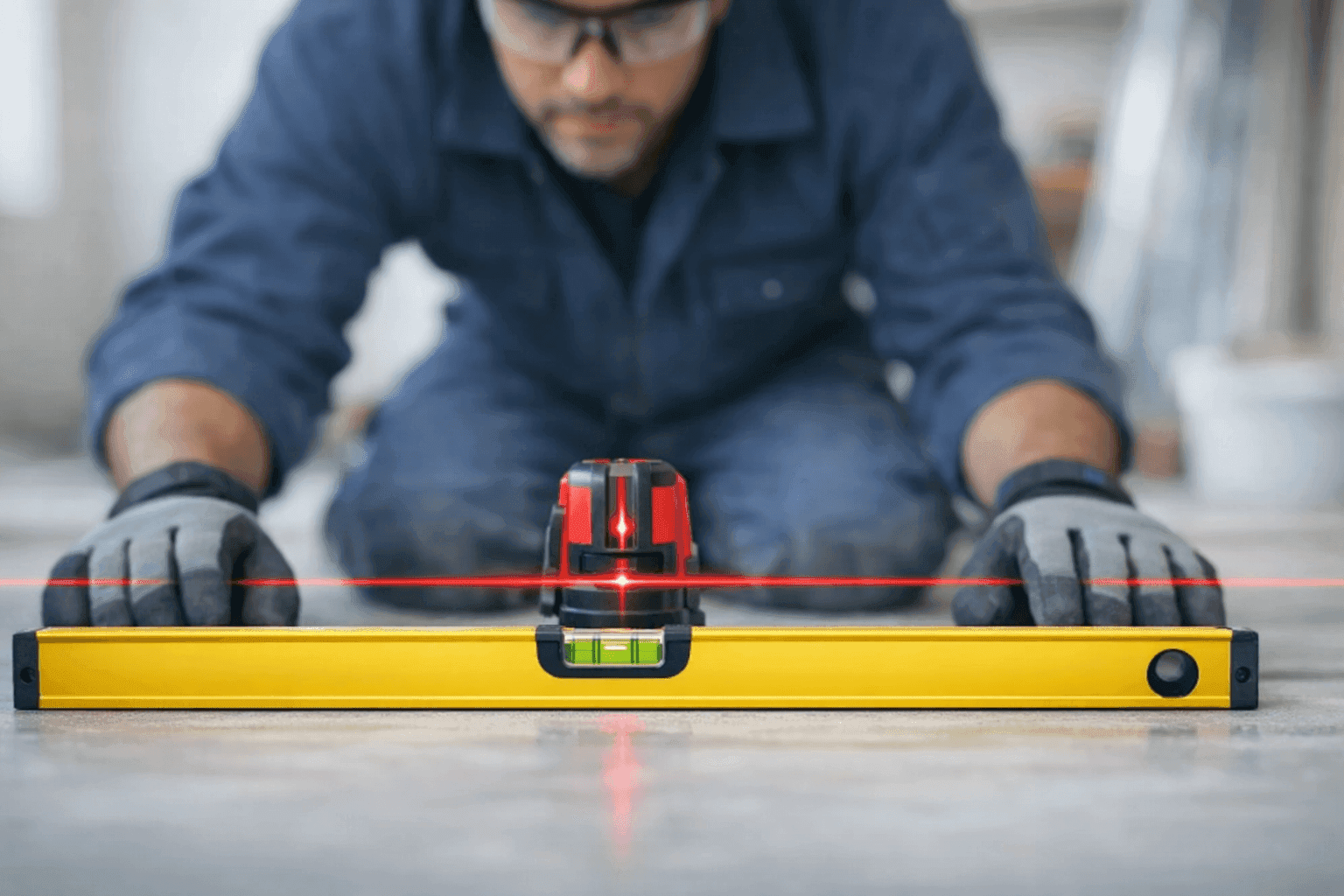
- Levelness Measurement: Tools like laser levels and long spirit levels reveal the slope and dips.
- Diagnosis: We identify the root cause—structural, moisture, installation, or something else.
- Solution Planning: Options might include subfloor repair, shimming, self-leveling compounds, or even joist reinforcement.
- Repair: Depending on the issue, repairs can range from filling low spots to major subfloor reconstruction.
Learn more about our floor-leveling and subfloor-repair services.
Fixing Methods: How to Level an Uneven Floor
Every situation is unique, but these are common ways to bring floors back to flat:
- Self-Leveling Compound: For minor dips, a special liquid is poured and spread over the floor. It finds its own level, like syrup in a pan.
- Shimming: Adding thin, sturdy pieces to low spots under the subfloor.
- Joist Sistering: Attaching new wood next to sagging joists for added strength.
- Subfloor Replacement: If the subfloor is rotten or damaged, it may need to be replaced entirely.
- Foundation Repair: If the home itself is shifting, a structural specialist may be required.
Always follow building codes and manufacturer instructions. Cutting corners can void flooring warranties or lead to bigger problems.
Prevention: Keep Your Floors Level Longer 🛡️
An ounce of prevention is worth a pound of repairs. Here’s how to protect your investment:
- Control Moisture: Use dehumidifiers, fix leaks quickly, and keep gutters clear.
- Inspect Seasonally: Check for sticking doors or new cracks every spring and fall.
- Don’t Overload: Spread heavy furniture and appliances out. Use proper supports in basements and crawl spaces.
- Schedule Floor Inspections: Regular checkups by a flooring specialist can catch problems early.
For ongoing peace of mind, ask about our floor-repair and maintenance solutions.
Costs & Time Factors: What Should You Expect?
Leveling a floor can range from a quick, inexpensive fix to a major investment. Here’s what affects the price and timeline:
- Scope: A single-room fix costs less than a whole house.
- Materials: Self-leveling compounds and new subfloors vary in price.
- Labor: Skilled work is worth it for safety and longevity.
- Accessibility: Crawl spaces and old homes can be trickier.
A professional assessment gives you a clear estimate before any work begins.
When It’s an Emergency: Fast Action Needed
If you see major cracks, feel the floor moving, or notice doors and windows suddenly sticking, don’t wait. These can be signs of urgent structural problems.
For rental properties or businesses, uneven floors can also pose liability risks. Address them quickly to avoid accidents.
Common Mistakes: What Not to Do
- Ignore the Signs: Small problems rarely fix themselves.
- DIY Without Research: Using the wrong materials or skipping steps can create bigger headaches.
- Covering Up: Laying new flooring over an unlevel base is like painting over rust. The problem will return.
- Delaying Repairs: Waiting can void warranties or violate safety codes.
Timeline & Disruption: How Long Will It Take?
Most minor leveling projects can be completed in a day or two. Larger repairs may take a week or more, especially if the subfloor or foundation needs work. Plan for some dust and noise, but a professional crew will minimize disruption.
Seasonal Considerations: Weather Matters
Moisture and temperature swings can make floors shift more in spring and fall. Schedule repairs or inspections during stable weather when possible.
FAQ: Your Uneven Floor Questions Answered
Can I install new flooring over an uneven floor?
It’s not recommended. The new floor will likely fail or look uneven.
Is floor leveling messy?
There can be dust and noise, but careful prep keeps things tidy.
Will insurance cover repairs?
Sometimes, if caused by a covered event (like a burst pipe). Check your policy.
Protecting Your Investment: Why Level Floors Matter
A level floor isn’t just about looks. It’s about safety, comfort, and long-term value. Whether you’re a homeowner or business owner, taking care of uneven floors preserves your investment and peace of mind.
If you’re searching for reliable flooring services, JC Carpet & Flooring is ready to help.
Call JC Carpet & Flooring now — or reach us anytime at 855-557-1115 .