What to Do When Your Floors Squeak or Creak
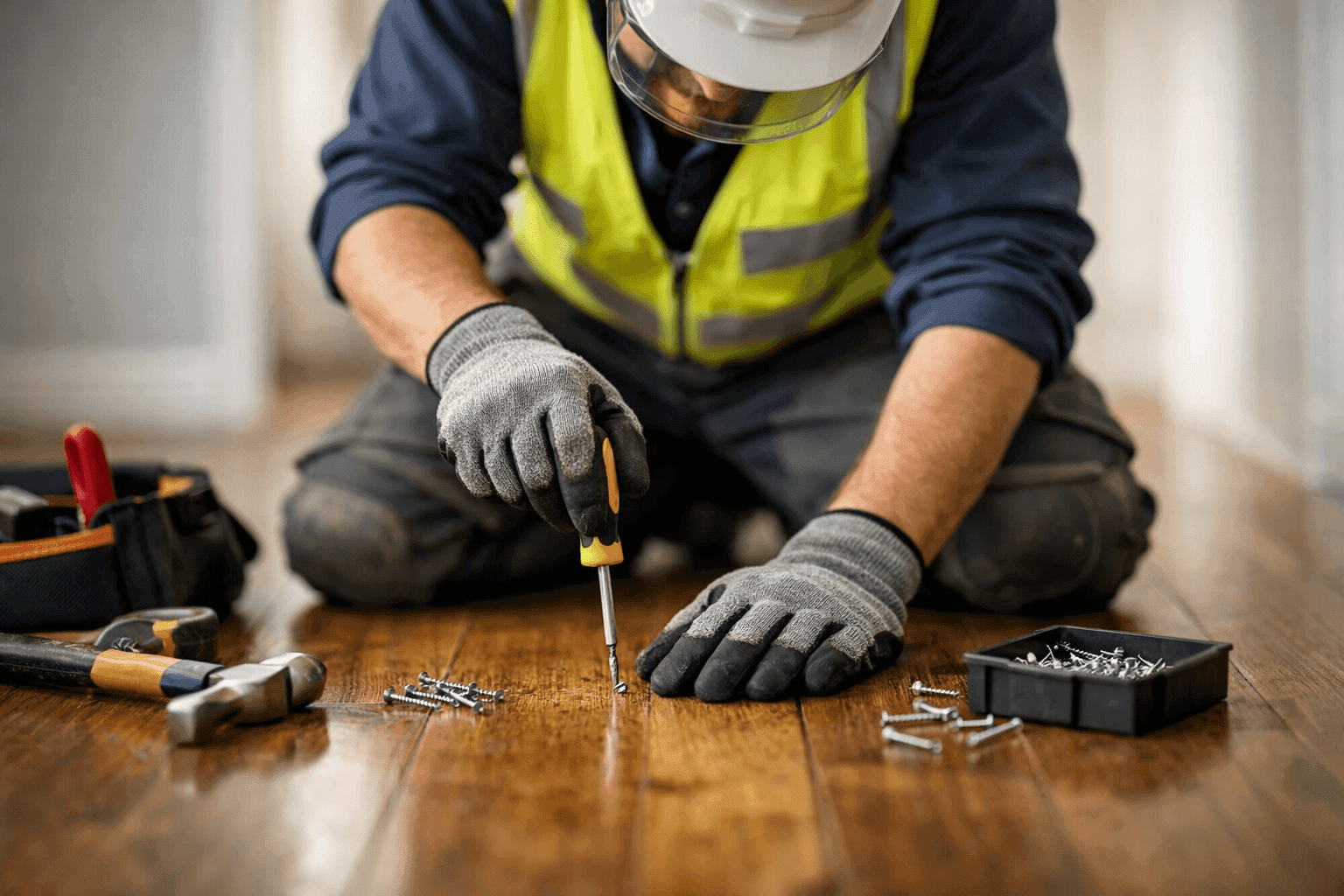
Does the late-night creak of your hallway floor sound like a suspense movie? Or maybe you tiptoe across the living room, hoping not to wake the whole house. Squeaky floors are more than just a nuisance—they’re a sign your flooring needs attention.
At JC Carpet & Flooring, we know the sound all too well. Whether it’s hardwood, laminate, or luxury vinyl, that squeak is your floor’s way of asking for help. Let’s walk through what’s happening beneath your feet—and how to quiet things down.
Common Causes of Squeaky Floors
Squeaks and creaks are the floor’s version of a smoke alarm. They mean something’s not quite right. Before you can silence the noise, you need to know why it’s happening:
- Loose floorboards: Over time, boards can shift from foot traffic, furniture, or simple age.
- Subfloor movement: The layer beneath your flooring, called the subfloor, can loosen or separate from floor joists.
- Seasonal changes: Wood expands in humidity and contracts in dry air, causing gaps or friction.
- Nails vs. screws: Older floors often use nails, which can work loose and rub against wood or metal.
- Moisture problems: Leaks or high humidity can weaken both flooring and subfloor.
- Improper installation: Rushed or DIY jobs sometimes skip key steps, leading to movement and noise.
Think of your floor as a giant wooden sandwich. If one layer slips, you’ll hear about it every time you walk by.
How to Locate the Source of the Squeak 🔍
Pinpointing the noise is step one. Here’s how:
- Walk slowly around the room in soft shoes or socks.
- Mark the loud spots with painter’s tape or sticky notes.
- Recruit a helper: Have someone walk while you listen from below (in the basement or crawlspace if possible).
- Check for gaps: Look for visible spaces between floorboards or at the wall edge.
- Listen for pitch: A sharp squeak usually means surface friction; a dull creak could point to deeper issues below.
This detective work saves time and avoids fixing the wrong spot.
Quick Safety Checklist Before You Begin
Before grabbing your toolbox, pause for safety:
- Inspect electrical wiring and plumbing below floorboards—never drive screws or nails blindly.
- Wear eye protection, especially if drilling or nailing.
- Check for any signs of water damage, mold, or rot. These need professional attention.
- Make sure pets and children are out of the work area.
When in doubt, consult building codes or the National Wood Flooring Association (NWFA) for safe practices.
DIY Fixes for Squeaky Floors
Many squeaks have straightforward solutions:
Top DIY Methods
- Lubricate the seams: Sprinkle talcum powder or powdered graphite into the cracks of hardwood floors, then sweep it in. This reduces friction.
- Add screws: For flooring over a wood subfloor, drive trim screws through the floorboard and into the joist. Countersink the head and fill with wood putty.
- Use shims: If the subfloor is loose, gently tap a wood shim coated in carpenter’s glue between the subfloor and joist from below.
- Squeak repair kits: These kits are available at hardware stores and are designed for sneaky, under-carpet fixes.
Pro tip: Always check with your flooring manufacturer before using screws or lubricants—some materials have special care instructions.
When to Call a Professional
Not every squeak is a weekend project. Some require a skilled hand and the right tools.
Consider calling a flooring contractor if:
- The squeak is widespread or growing louder.
- The floor feels soft, bouncy, or uneven.
- You see water stains, mold, or signs of rot.
- Your home or commercial property has multiple flooring types or a complicated subfloor.
- Warranty requirements specify professional service.
A professional can perform thorough Floor Inspections and recommend safe, lasting repairs.
What Pros Do When They Arrive
Here’s what to expect from a visit by JC Carpet & Flooring:
- Full inspection: We’ll check the surface, subfloor, and joists.
- Moisture testing: Detect hidden leaks or humidity problems.
- Targeted repair: We use special fasteners, adhesives, or subfloor reinforcements that match your flooring type.
- Minimal disruption: Most repairs are done in a day, with careful clean-up.
Our team follows industry guidelines and uses code-compliant materials for your peace of mind.
Prevention & Maintenance Tips 🛠️
Want to keep squeaks away for good? These habits help:
- Use area rugs to minimize wear in high-traffic spots.
- Keep humidity between 35–55% indoors.
- Wipe up spills right away—moisture is a floor’s worst enemy.
- Schedule regular floor inspections for early detection.
- Tighten loose boards before they become a chorus.
A little attention now can save you from bigger headaches—and noise—later.
Costs & Time Factors
DIY fixes usually run under $50 for supplies. Professional repairs are affordable, especially when compared to full floor replacement. Most jobs take a few hours, though complex issues can take longer.
For large commercial spaces or historic homes, timelines and budgets will vary. JC Carpet & Flooring provides clear estimates up front for all floor-repair needs.
When It’s an Emergency
A squeak is rarely urgent, but a rapidly worsening creak—especially paired with sagging, soft spots, or visible water—means you should act fast.
- Block off the area if you suspect structural damage.
- Don’t ignore creaks with a “give” underfoot—this could signal subfloor failure.
- Call a pro immediately if you see water, mold, or rot.
Common Mistakes to Avoid
- Using nails instead of screws—nails work loose over time.
- Over-tightening fasteners, which can crack boards.
- Skipping subfloor repairs when that’s the root cause.
- Ignoring humidity—seasonal swings can undo your hard work.
If you’re not sure, a quick Subfloor Repair from a qualified flooring company can prevent bigger issues.
Signs Your Floor Needs More Than Just a Quick Fix
Watch for these warning lights:
- Squeaks across multiple rooms.
- Cracked, warped, or cupped boards.
- Floors that slope, bounce, or sag.
- Persistent moisture or musty smells.
These are your floor’s way of crying out for professional attention.
Timeline & Disruption
Most fixes take just a few hours—sometimes less. For major repairs, expect a day or two of light disruption. We minimize mess and aim to keep your home or business running smoothly.
Materials & Equipment Used
- Trim screws and wood shims
- Wood glue and putty
- Moisture meters for precise readings
- Squeak repair kits for carpets or hard-to-reach spots
We always select supplies that suit your flooring, whether it’s hardwood, vinyl, or laminate.
Frequently Asked Questions
Do all old floors squeak?
Not always. Age is a factor, but well-installed floors with stable subfloors can stay silent for decades.
Will fixing squeaks damage my floor?
When done properly—with the right tools and methods—repairs are virtually invisible.
Can new floors squeak?
Yes, especially if the subfloor wasn’t prepared or fastened correctly.
Is lubrication safe for all floors?
Check with your flooring manufacturer or a professional before applying powders or lubricants.
Final Thoughts: Quiet Floors, Peaceful Space
Squeaky floors don’t have to be part of your daily soundtrack. With a little know-how—or help from a pro—you can restore calm to your home or business. We handle everything from simple fixes to full subfloor-repair, always with safety and quality in mind.
Call JC Carpet & Flooring now — or reach us anytime at 855-557-1115 .