Why Floor Leveling Matters Before Installing New Floors
When you’re ready for new flooring, you picture the smooth finish, the fresh scent, the inviting look. But what lies beneath? The subfloor. If it’s not level, your dream floor could quickly become a headache.
At JC Carpet & Flooring, we see what others can’t: the hidden risks of skipping that crucial first step. Floor leveling isn’t just a technicality—it’s the difference between seamless flooring and years of frustration.
Why a Level Floor Matters
Think of your floor as the foundation for every step, every gathering, every future memory. If it’s off—even by a little—the problems start to snowball:
- Gaps and Bouncing: Planks separate. Tiles crack. Laminate shifts underfoot.
- Squeaks and Groans: Every step reminds you something isn’t quite right.
- Voided Warranties: Many flooring manufacturers require sound, level subfloors. Skip this, and you risk losing coverage.
- Safety Hazards: Tripping, stubbed toes, and wobbly furniture—all from uneven flooring.
A level floor is about more than looks. It’s about safety, comfort, and protecting your investment.
Spotting an Unlevel Subfloor 🧐
Some issues hide in plain sight. Others are subtle. Watch for:
- Noticeable dips or humps when you walk across the room.
- Doors that scrape or don’t close properly.
- Wavy baseboards or gaps under molding.
- Floors that creak, especially in older homes.
Not sure? A professional inspection can reveal more than meets the eye. Building codes, such as those from the International Residential Code (IRC), require floors to be within specific tolerances—usually no more than 1/8" variation over a 6-foot span.
Quick Safety Checklist Before Installation
- Check for soft spots or damaged wood in the subfloor.
- Look for signs of water damage, mold, or previous repairs.
- Test for loose nails or screws—these can signal shifting or settling.
These steps help protect both your investment and your family.
What Happens If You Skip Floor Leveling?
It’s tempting to cover imperfections with thick underlayment or hope your new flooring will “hide” the problems. Here’s what can happen if you cut corners:
- Shortened Floor Life: Uneven pressure causes premature wear—especially in luxury vinyl plank (LVP), hardwood, and tile.
- Cracks and Chips: Rigid flooring materials can’t flex over humps or voids.
- Moisture Traps: Low spots collect water, leading to rot or mold beneath your floors.
- Noisy Floors: Movement between the subfloor and new flooring creates those infamous squeaks.
How Pros Approach Floor Leveling
At JC Carpet & Flooring, we treat leveling as the backbone of any successful install. Here’s what you can expect:
- Thorough Inspection: We start by checking every inch of your subfloor—visually and with leveling tools.
- Moisture Assessment: Moisture meters help us spot trouble before it spreads.
- Repair or Replace: Weak or damaged sections get repaired or replaced, ensuring a solid base.
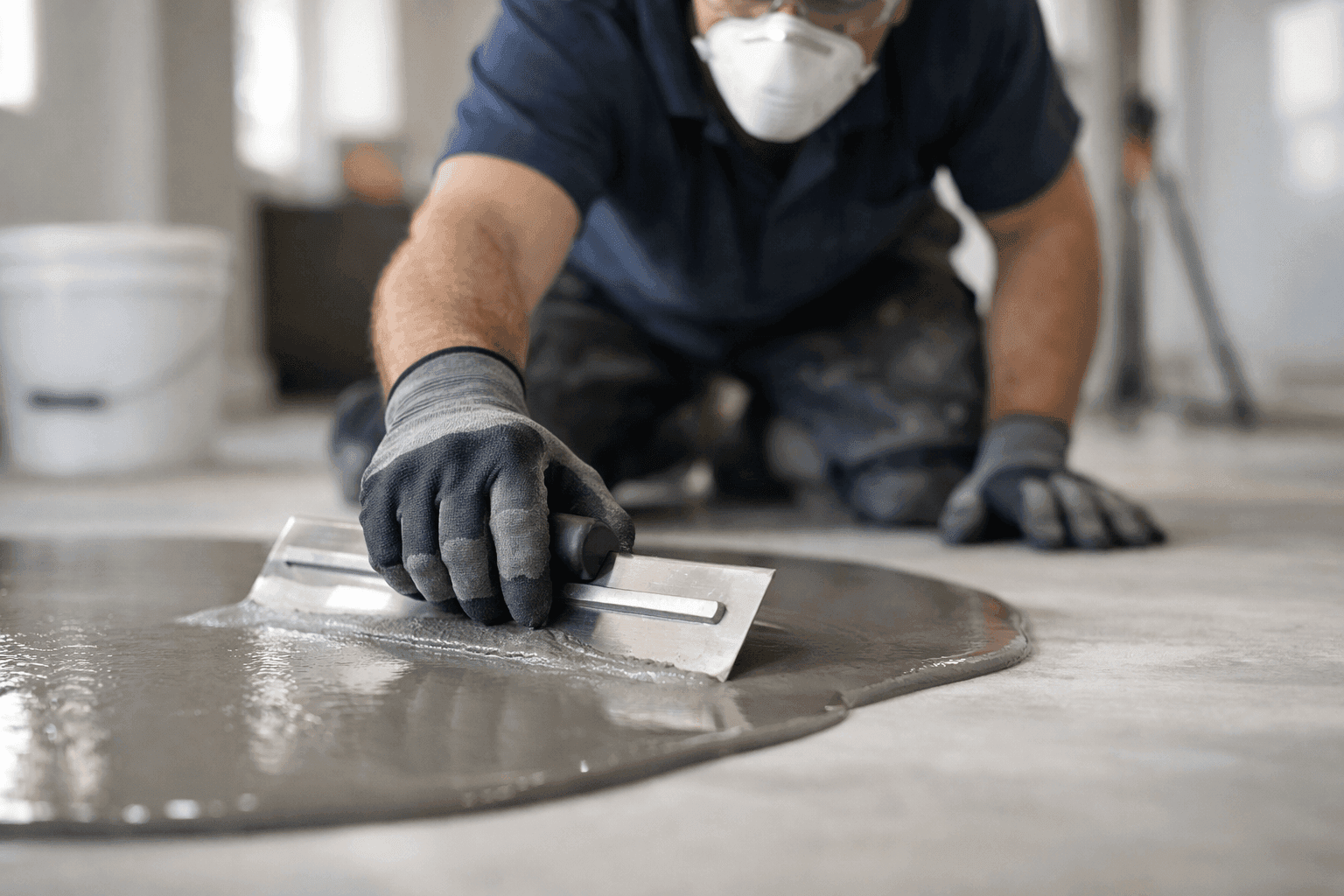
- Precision Leveling: Self-leveling compounds, shims, or sanding bring the floor to industry standards.
- Final Check: We confirm the surface meets both manufacturer and building code requirements.
Our Subfloor Repair service gets to the root of problems, not just the symptoms.
Leveling Methods: From Simple to Sophisticated 🛠️
There’s no one-size-fits-all. The right method depends on your home, the existing subfloor, and your flooring choice:
- Grinding and Sanding: For minor high spots, we use commercial sanders or grinders.
- Self-Leveling Compounds: These pourable solutions fill dips and create a glass-smooth surface.
- Shimming: For older homes, shims can raise low joists or beams.
- Subfloor Replacement: Severely damaged or warped subfloors may need new panels.
- Moisture Barriers: In basements or moisture-prone areas, a proper barrier is a must.
Each method ensures your new floor sits perfectly flat and stable.
DIY vs. Professional Floor Leveling
DIY can be tempting—there’s a certain satisfaction in rolling up your sleeves. But floor leveling isn’t like painting a wall. It’s more like tuning a piano. Get it wrong, and everything else sounds (or feels) off.
Professionals bring specialized tools, years of experience, and a deep understanding of flooring materials. They know when to patch, when to replace, and how to spot hidden issues. A pro’s touch can mean the difference between a floor that lasts decades and one that needs a do-over in months.
For peace of mind, consider a Flooring Consultation before you start.
The Cost and Timing of Floor Leveling
Worried about costs? Floor leveling is an investment in the life of your flooring. Skipping it can cost far more down the road. Factors that affect price and timing:
- Size of the area to be leveled
- Severity of the unevenness
- Type of subfloor and chosen flooring
- Accessibility (stairs, tight spaces, etc.)
Most leveling jobs take anywhere from a few hours to a couple of days. Your installer will walk you through what to expect.
When Floor Leveling Becomes an Emergency
Some signs mean you shouldn’t wait:
- Floors feel spongy or unsafe
- Visible water damage or mold
- Sudden changes in slope or sagging
In these cases, immediate attention isn’t just about aesthetics—it’s about safety and code compliance. The National Wood Flooring Association (NWFA) emphasizes the importance of proper subfloor preparation for both safety and performance.
Common Mistakes Homeowners Make
We’ve seen it all. Here’s what to avoid:
- Relying on thick underlayment instead of proper leveling
- Ignoring small dips (“It’s probably fine!”)
- Skipping moisture checks, especially in basements
- Overlooking manufacturer guidelines
Remember, small shortcuts can lead to big regrets.
Seasonal and Climate Considerations 🌦️
Humidity, temperature swings, and seasonal settling all affect your subfloor. In regions with heavy freeze-thaw cycles or high moisture, floors can shift or warp. Before installation, it’s wise to acclimate your flooring materials and double-check subfloor levels.
How Floor Leveling Impacts Installation Success
A level subfloor makes everything go smoother:
- Tighter Seams: Planks and tiles fit together perfectly.
- Less Waste: Fewer damaged boards or broken tiles.
- Faster Install: No surprises, no delays.
- Happier Homeowners: No callbacks, no headaches.
A well-leveled floor is the unsung hero of every beautiful room.
Frequently Asked Questions
How do I know if my floor needs leveling?
If you notice visible dips, doors that don’t close, or persistent squeaks, you may need leveling. A professional assessment is best.
Can I install LVP or tile over a slightly uneven floor?
Most manufacturers require subfloors to be within a specific flatness tolerance. Check product guidelines and consult your installer.
Is floor leveling messy or disruptive?
There’s some dust and noise, but reputable contractors use dust control and clean up thoroughly. Most jobs are completed quickly.
Timeline and What to Expect
- Initial Inspection: 1–2 hours.
- Leveling Work: A few hours to several days, depending on your space.
- Drying/Curing: Self-leveling compounds may need 24–48 hours.
- Ready for Flooring: Once the subfloor is dry, clean, and level, new flooring can be installed without delay.
You’ll receive a clear timeline and plan before work begins.
Prevention and Maintenance Tips
- Regularly check for moisture or leaks, especially in basements and bathrooms.
- Fix minor squeaks or dips early, before they become bigger problems.
- If you notice changes in your flooring, don’t wait—early intervention saves money.
Building Codes, Safety, and Warranties
Floor leveling isn’t just “nice to have.” It’s about meeting safety codes and keeping your warranty intact. The International Residential Code (IRC) and flooring manufacturers both set standards for flatness and support.
Installation over an unlevel subfloor may void your product warranty. It may also put your home out of compliance with local building codes.
Why Choose JC Carpet & Flooring for Floor Leveling?
We believe every new floor deserves a solid start. Our team brings years of hands-on experience with all types of residential and commercial flooring. Whether you need Floor Leveling in your home or business, or simply want advice on the best path forward, we’re here with honest answers and reliable service.
Ready for a Smooth Start?
Don’t trust your investment to luck. Take the first step toward beautiful, long-lasting flooring with a level foundation.
Call JC Carpet & Flooring now — or reach us anytime at 855-557-1115 .